
Landlord Gas Safety Certificates in Edinburgh: What You Need and When

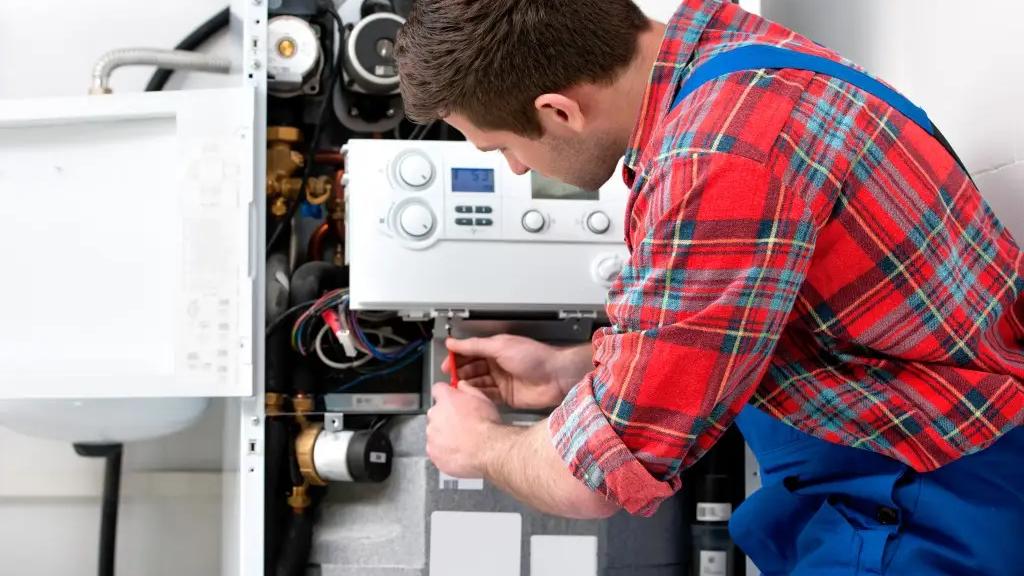
A very large share of Edinburgh’s flats are let, and in the tenement belt around Marchmont, Newington, Bruntsfield and Gorgie the proportion is higher still. If you are one of those landlords, the annual gas check is the piece of compliance most likely to catch you out — not because it is complicated, but because it is easy to let slide when a tenancy is running smoothly.
What has to be checked
Every gas appliance and every flue in the let property, every twelve months, by a competent engineer. That means the boiler, the hob, the cooker and the gas fire — not just the boiler. Each appliance is checked for gas tightness, correct operation, adequate ventilation and safe removal of combustion products, and each is recorded individually on the certificate.
Who gets the record
The tenant gets a copy, and you keep one. New tenants should have it at the start of the tenancy. Keeping the records in order matters as much as having the check done: a certificate that exists but that nobody can find is not much use when it is asked for.
When to book it
Before the current one expires, not on the day it does. Access is the practical constraint in a let property — you have to give notice, the tenant has to be in or arrange entry, and a missed appointment can eat a fortnight. If you have several flats, group them by area and by expiry date and get them done together; that is what most of our landlord customers end up doing.
HMOs and student flats
Edinburgh’s HMO stock adds licence conditions on top of the gas duty, and they are not the same thing. If the flat is licensed, check what the licence requires in its own right rather than assuming the gas certificate covers it. In practice the tenement flats around the university are where both sets of paperwork have to line up.
What happens if something fails
It depends on the severity. An appliance that is unsafe is turned off and, with permission, disconnected or capped, and the reason is recorded. Something that is a fault rather than a danger is written up so you can decide what to do. Either way you get told plainly what was found, and you get the certificate showing it. See gas safety and gas appliances for what the visit covers.
The awkward case is a boiler that fails the check on an appliance nearing the end of its life. At that point you are choosing between a repair on a unit whose parts are getting scarce and a replacement that resets the clock, and the decision is easier if it is made before the certificate expires rather than during a void week with a tenant waiting to move in.
The certificate is not a service
One last thing worth repeating, because it costs landlords money every year: the safety check is an inspection, not maintenance. It confirms the appliances are safe on the day; it does not clean the boiler, adjust it or keep a manufacturer warranty alive. If the boiler is still under warranty, book the service as well and have both done on the same visit — one access arrangement, two pieces of paperwork, and no argument with the manufacturer later.
Need a professional for your next project?
Get a free, no-obligation quote for your next project.
Get a Free QuoteFound this useful? Make us a preferred source in Google and our future guides will show up more often for you.
More from the blog
What to Do About a Burst or Frozen Pipe
The first two minutes matter more than the repair. Find the stopcock now, before you need it — especially if you live in a tenement flat.
View
Vented vs Unvented Cylinders — and Why Your Shower Pressure Is Poor
A better shower will not fix bad pressure. What the shower can do is decided by the system feeding it — here is how to tell which one you have.
ViewCan You Take a Radiator Off the Wall to Decorate?
Yes — and it is a genuinely small job when it is done properly. Here is what is involved, and what changes if you want the radiator gone for good.
View