
Vented vs Unvented Cylinders — and Why Your Shower Pressure Is Poor

Poor shower pressure is one of the most common complaints we hear, and the most common response to it — buying a better shower — almost never helps. What a shower can deliver is set by the system feeding it, so the useful first step is working out which system you have.
Vented: a tank in the loft
A vented, or open-vented, system has a cold water storage tank in the loft or a boxed press, feeding a hot water cylinder below it. Pressure at the outlet comes from gravity: the height of the tank above the tap. On a ground floor that is fine. On the top floor of a flat, where the tank may sit barely a metre above the shower head, there is very little head to work with, and that is exactly why the bath fills reasonably and the shower dribbles.
Unvented: sealed and fed from the mains
An unvented cylinder is sealed and fed directly from the mains, so hot water arrives at every outlet at mains pressure — the same pressure as the cold tap. That is what gives a strong shower upstairs without a pump. Because the water inside is sealed and heated, it carries safety devices: an expansion vessel, pressure and temperature relief valves, a tundish and a discharge pipe running outside. Those have to be installed correctly and checked annually.
How to tell which you have
Look for a tank in the loft or an upper cupboard. If there is one, and the cylinder has an open vent pipe rising over it, you are vented. If there is no tank at all and the cylinder is a sealed metal unit with a small expansion vessel and a copper discharge pipe going out through the wall, you are unvented. If the boiler is a combi there is no cylinder at all.
What a combi does to shower pressure
A combi gives you mains pressure but a fixed flow rate — it can only heat so much water per minute. So the shower is strong until someone runs the kitchen tap, and then it is not. That is not a fault; it is the trade-off you accept for having no cylinder.
The fixes, in order of usefulness
On a vented system: raising the tank if there is height available, fitting a shower pump, or converting to an unvented cylinder if the incoming mains supports it. On any system: check the isolating valves are fully open and descale the shower head, because a partially closed valve and a furred head account for a surprising share of complaints. And if you are already thinking about a new boiler, this is the moment to decide the system type rather than after the appliance has gone in — see boiler installation.
Need a professional for your next project?
Get a free, no-obligation quote for your next project.
Get a Free QuoteFound this useful? Make us a preferred source in Google and our future guides will show up more often for you.
More from the blog
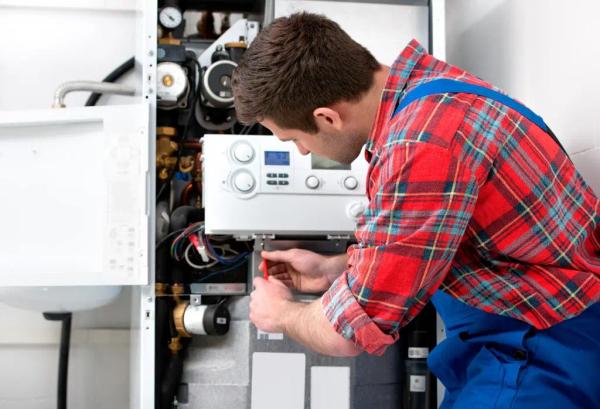
What to Do About a Burst or Frozen Pipe
The first two minutes matter more than the repair. Find the stopcock now, before you need it — especially if you live in a tenement flat.
ViewCan You Take a Radiator Off the Wall to Decorate?
Yes — and it is a genuinely small job when it is done properly. Here is what is involved, and what changes if you want the radiator gone for good.
View
Why Are My Radiators Cold at the Top (or the Bottom)?
Cold at the top and cold at the bottom are two completely different faults. One needs a bleed key; the other needs the system cleaning.
View