
Can You Take a Radiator Off the Wall to Decorate?

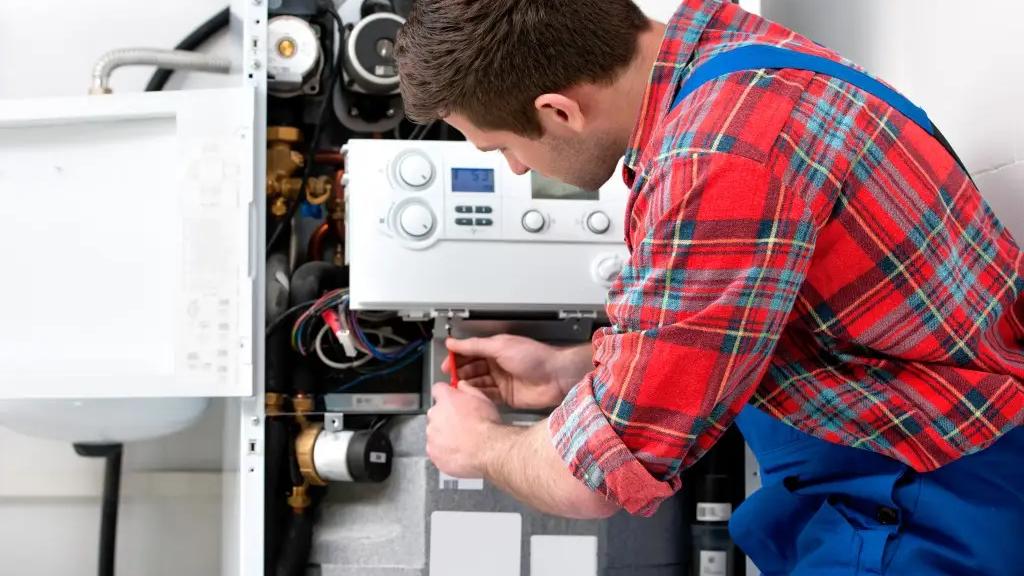
People ask this more often than you would think, usually a week before the decorator arrives. Taking a radiator off the wall temporarily is a routine job, and so is removing one permanently — but they are different pieces of work and it is worth knowing which you are asking for.
Taking one off temporarily
The radiator is isolated at both valves, the water in the panel is drained into a tray, the unions are cracked off and the radiator lifted clear of its brackets. With the valves closed, the rest of the system can still run while the room is decorated. Afterwards the radiator goes back on, the unions are remade, and the system is topped up, bled and rebalanced.
The things that make it less simple
Two things regularly complicate it. Seized valves are the first: a valve that will not close cannot isolate the radiator, so the system has to be drained down instead, which turns a half-hour job into a longer one. The second is old radiators full of sludge, which are considerably heavier than they look and will empty black water onto a floor you have just had sanded if they are handled casually.
Removing one for good
This is a different job. Leaving capped valves behind the plasterwork is storing up a leak for someone else, so the pipework should be cut back to a sensible point and properly capped, ideally somewhere accessible. Then the system needs rebalancing without that emitter, because every other radiator on that circuit will now get slightly more flow than it was set for.
What removing one does to the room
Worth thinking about before you commit. That radiator was sized to replace the heat the room loses, and taking it out permanently means the room will be colder — sometimes noticeably so in a high-ceilinged flat with a big sash window. If the aim is to free up a wall rather than lose the heat, moving the radiator to a different wall, or fitting a taller or narrower one with the same output, usually gets you what you actually want.
While it is off, look at the wall behind it
A radiator that has been in place for twenty years has usually been hiding something: unpainted wall, a bracket that has worked loose, or damp staining from a valve that has been weeping so slowly nobody noticed. It is the one moment you will get a proper look, so it is worth checking the brackets are sound and the pipe tails are dry before the radiator goes back up and the wall disappears again for another twenty years.
Can you do it yourself?
Plenty of people do, and if the valves turn freely and you have a large tray, some towels and a way of topping the system back up, it is within reach. What sends it wrong is a seized valve, a radiator that turns out to be full of sludge, or a system that will not re-pressurise afterwards. If any of that happens, stop before it becomes a wet carpet. We take radiators off and refit them as part of central heating and radiator work all the time.
Need a professional for your next project?
Get a free, no-obligation quote for your next project.
Get a Free QuoteFound this useful? Make us a preferred source in Google and our future guides will show up more often for you.
More from the blog
What to Do About a Burst or Frozen Pipe
The first two minutes matter more than the repair. Find the stopcock now, before you need it — especially if you live in a tenement flat.
View
Vented vs Unvented Cylinders — and Why Your Shower Pressure Is Poor
A better shower will not fix bad pressure. What the shower can do is decided by the system feeding it — here is how to tell which one you have.
ViewWhy Are My Radiators Cold at the Top (or the Bottom)?
Cold at the top and cold at the bottom are two completely different faults. One needs a bleed key; the other needs the system cleaning.
View