
What to Do About a Burst or Frozen Pipe

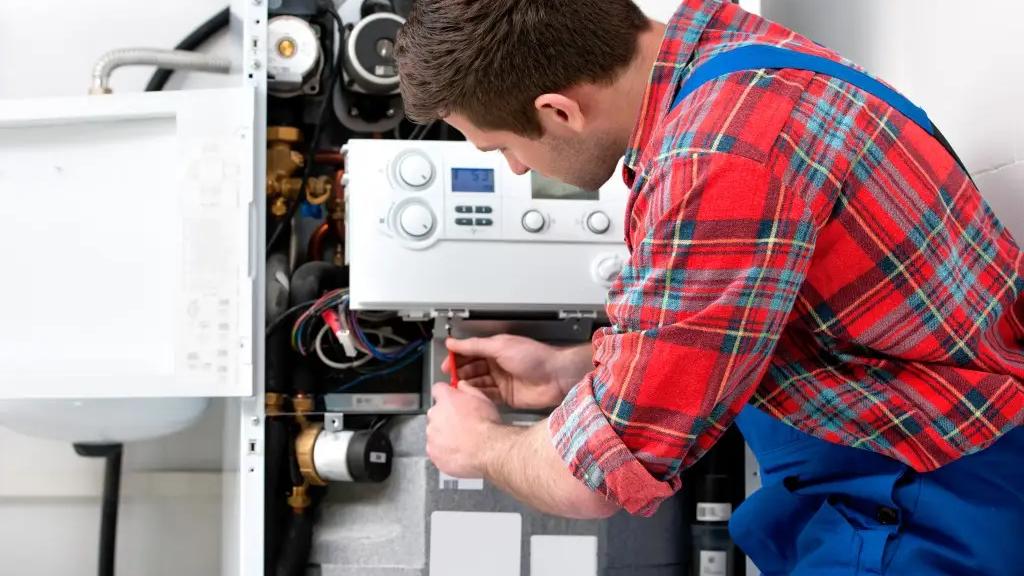
Edinburgh gets a handful of properly cold snaps every winter, and each one produces the same run of calls: pipes that have frozen, and then pipes that have burst when they thawed. Most of the damage is done in the first few minutes, and most of that is preventable.
Find the stopcock before you need it
This is the single most useful thing in this article. In a flat the internal stopcock is most often under the kitchen sink, in a hall cupboard, or in the bathroom near the basin. In some older tenements the flat is fed from a shared supply and the isolating valve sits in the common stair or the basement. Find yours today, turn it once to make sure it actually moves, and tell everyone else in the house where it is.
If a pipe has burst
Turn the water off at the stopcock. Open the cold taps to drain the system down and take the pressure off the split. If water is anywhere near lighting, sockets or a consumer unit, turn the electricity off at the board. Move what you can out of the way and start photographing everything, because the insurance side of it is easier when there is a record from the beginning. Then call.
If a pipe has frozen but not burst
You have a window, and it is worth using carefully. Turn the water off at the stopcock first, because you do not yet know whether the pipe has already split. Thaw gently — a hot water bottle, warm towels, a hair dryer on low, working back from the tap end towards the frozen section. Never use a blowtorch or a naked flame. When it flows, check the whole run for weeping joints before you relax.
Boiler condensate is the other one
A boiler that locks out on the first hard frost has very often frozen its condensate pipe, not failed. If the pipe runs outside — and on many Edinburgh rear elevations it does — it can be thawed with warm water poured along it and the boiler reset. If it happens every year, the run itself is the problem and it should be re-routed internally or upsized and insulated properly rather than thawed annually.
Preventing the repeat
Lag exposed pipework, particularly in lofts, unheated cupboards and on north-facing and seaward walls — the Portobello and Joppa frontage is hard on external pipework. Fit an internal isolating valve on any outside tap so the external section can be drained down before winter. Keep some heating on during a cold spell rather than turning it off entirely while you are away. And if you are away, ask someone to look in.
When it is an emergency
Escaping water you cannot isolate, a stopcock that will not close, water reaching electrics, or a total loss of heating and hot water in the cold with young children or an elderly resident in the house. That is what our emergency plumbing page is for.
Need a professional for your next project?
Get a free, no-obligation quote for your next project.
Get a Free QuoteFound this useful? Make us a preferred source in Google and our future guides will show up more often for you.
More from the blog
Vented vs Unvented Cylinders — and Why Your Shower Pressure Is Poor
A better shower will not fix bad pressure. What the shower can do is decided by the system feeding it — here is how to tell which one you have.
View
Can You Take a Radiator Off the Wall to Decorate?
Yes — and it is a genuinely small job when it is done properly. Here is what is involved, and what changes if you want the radiator gone for good.
ViewWhy Are My Radiators Cold at the Top (or the Bottom)?
Cold at the top and cold at the bottom are two completely different faults. One needs a bleed key; the other needs the system cleaning.
View