
How to Find a Hidden Water Leak at Home

Most hidden leaks give themselves away before you can see the pipe: a damp patch, a stain, a musty smell, flooring that lifts, or the sound of water running when nothing is on. To find one, work back from where the water shows, turn everything off and listen, check the joints under sinks, behind the toilet and around the shower, and watch whether your loft tank or boiler pressure keeps changing when nothing is in use. If that does not narrow it down, a plumber can isolate and test sections of pipework and open up only where the evidence points.
Signs of a hidden leak
Look for damp patches on walls or ceilings, often with a brown tidemark; staining on the ceiling below a bathroom; a musty smell in one room or cupboard; laminate that lifts or swells, or a floor that feels soft around a toilet or shower; mould that keeps coming back in one spot; water running or hissing when no taps are on; and a boiler that keeps losing pressure.
Not every damp patch is a pipe. In older stone-built homes, damp can come from rain getting through the walls, a blocked gutter or condensation. A patch that grows after heavy rain points one way; one that grows after a shower points another.
Checks you can do yourself
The usual advice is to read your water meter, use no water for a while, and see whether it moves. Most homes in Scotland do not have a water meter, so that test rarely applies here. These checks do a similar job.
Turn everything off and listen. Make sure no taps are running, the washing machine and dishwasher are off and the toilet cistern has finished filling. Then listen near the kitchen sink, where the supply often comes in, along skirting boards and under any loose floorboards. A steady hiss or trickle when nothing should be moving is worth following up.
Check the loft tank if you have one. When nothing in the house is using water, the float valve that refills a cold water tank should be still. If you hear it topping up, or the level drops and refills while everything is off, water is going somewhere: a pipe fed from the tank, a dripping overflow or a toilet that keeps running.
Look at the usual suspects. Check under sinks for damp around the waste trap, tap connections and flexible hoses. Look behind the toilet at the cistern inlet and where the pan meets the floor. Check the sealant around the shower tray and bath, because shower water getting behind failed sealant is a common cause of hidden damp. Look at the washing machine hoses, and around the valves and joints of any hot water cylinder.
Watch the boiler pressure. If the gauge on the boiler keeps falling and you are topping it up often, the heating pipework, a radiator valve or the boiler itself may be leaking. Our guide to low boiler pressure and how to fix it explains what to look for.
Leaks in tenements and from the flat above
In a tenement or any block of flats, water on your ceiling often comes from the flat above rather than your own pipes. It can travel along joists before it shows, so the patch may not sit directly under the source. Ask your neighbour to check under their bath, shower, sinks and washing machine. If they turn off their own stopcock and your leak slows or stops, that is a strong clue.
If the flat above is empty or you cannot reach the owner, contact the letting agent, landlord or property factor. A leak from shared pipework can be a shared responsibility between owners, depending on the title deeds. Take dated photos as the damage develops, because insurers on both sides may want to see them.
What a plumber does to find it
A plumber starts where the water shows and works back, using what they know about how pipes are usually run in that kind of property. They isolate parts of the system one at a time, turning off the supply to a section to see whether the loss stops, and test sections of pipework to narrow down which one is at fault. Only then do they lift a floorboard, open a small piece of ceiling or take off a bath panel, and only where the evidence points. Our leak detection service works this way, so the making good afterwards is kept as small as it can be.
Is finding the leak covered by insurance?
Many home insurance policies include trace and access cover, which can help with the cost of finding a hidden leak and opening up walls or floors to reach it, separately from the repair itself. Policies vary, so check your policy, and speak to your insurer before work starts if you think you will claim. Keep photos of the damage and any written report of where the leak was found.
When a leak becomes an emergency
If water is coming through a ceiling, running near electrics or pouring from a pipe, turn the water off at the stopcock straight away. It is often under the kitchen sink, but in tenement flats it can be in a hall cupboard, under the floor or out on the common stair, so find yours before you need it. Turn on the cold taps to drain the pipes and catch what you can. If water is near electrics, only switch off the power at the fuse box if you can reach it without touching anything wet.
Then get help. Our emergency plumbing and leak repair page covers what we do once the water is off, and our post on what to do about a burst or frozen pipe has more on the first few minutes.
If you are in Edinburgh or Midlothian and want help tracking down a leak, see our leak detection page.
Need a professional for your next project?
Get a free, no-obligation quote for your next project.
Get a Free QuoteFound this useful? Make us a preferred source in Google and our future guides will show up more often for you.
More from the blog
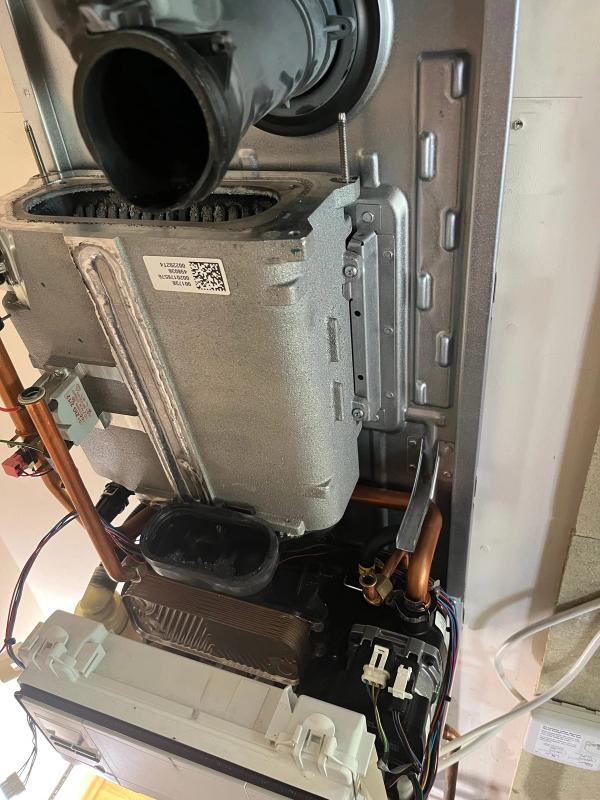
Boiler Not Working? Common Faults and What to Check First
Before calling an engineer, a few safe checks often find the cause. Here is what to look at, what common symptoms usually mean, and where the DIY stops.
View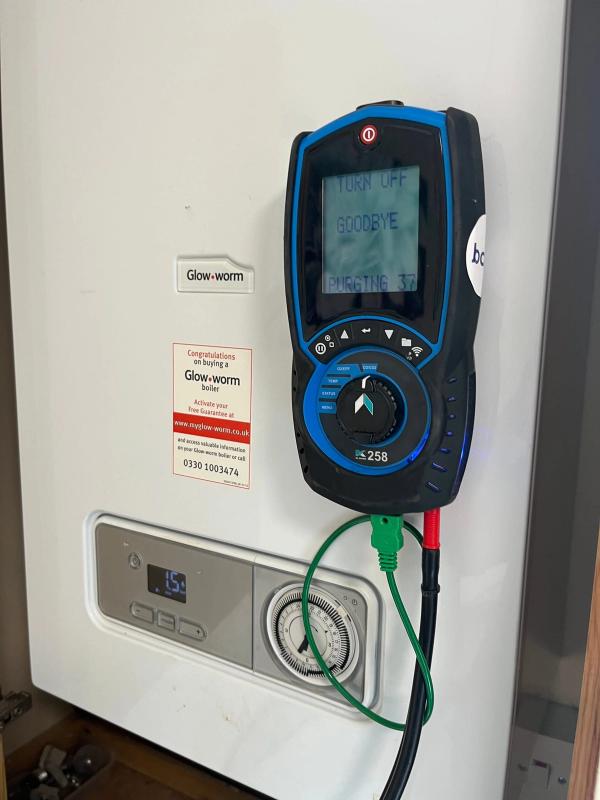
Boiler Service Plans vs a One-Off Annual Service
A one-off service and a service plan both get the boiler looked at each year. The difference is in what else is included, and that varies a great deal by provider.
View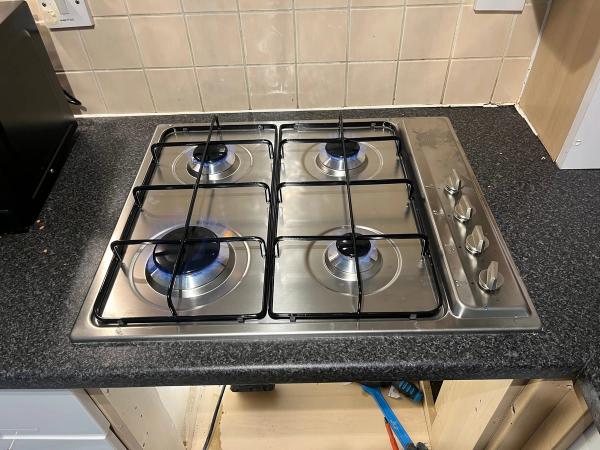
Can I Fit My Own Gas Cooker?
Swapping a gas cooker looks like a push-and-twist job. Here is what the law actually says, and what a proper connection involves.
View