
Low Boiler Pressure: How to Fix It, and When to Call an Engineer

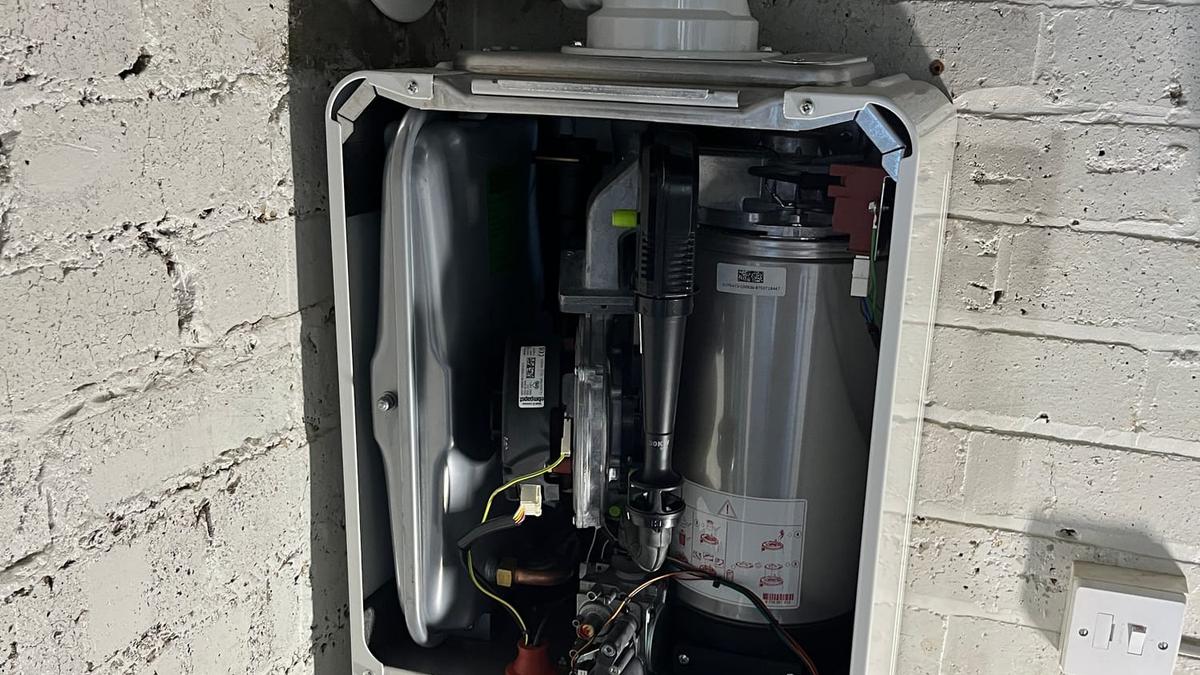
Most combi and system boilers run a sealed heating system, and a sealed system needs pressure to work. When the pressure falls too far the boiler stops itself, usually with a fault code, and the heating and hot water go off. It looks alarming, but topping the pressure back up is normally a five-minute job you can do yourself.
What the pressure should be
Look at the gauge on the front of the boiler, either a dial or a figure on the display. With the heating off and the system cold, most boilers want somewhere between 1 and 1.5 bar; the manual gives the exact figure for yours. The pressure rises a little when the heating is running, which is normal. Below about 0.5 bar most boilers will refuse to fire at all.
How to fix low pressure with the filling loop
Turn the boiler off and let it cool. Find the filling loop: on most boilers it is a short braided hose with a valve at each end, under the boiler, while some models have a built-in key or lever instead. The manual shows where yours is.
Open the valves slowly and watch the gauge. When it reaches the cold pressure the manual gives, close both valves fully. If the loop is a removable hose, disconnect it afterwards, because it is meant to be connected only while you are filling. Turn the boiler back on and reset it if it is still showing a fault.
What happens if boiler pressure is too low
The boiler protects itself. A pressure sensor stops it firing, so you lose heating and hot water until the system is topped up. That is not dangerous in itself, but a system that needs topping up again and again is drawing in fresh water each time, which carries oxygen into the pipework and speeds up corrosion and sludge. It is worth finding the cause rather than living with it.
Why the pressure keeps dropping
A one-off drop just after bleeding radiators is normal: bleeding lets air out, and the pressure falls with it. Our guide to radiators that are cold at the top or the bottom explains bleeding properly.
If you are topping up every few weeks, water is getting out somewhere. The usual suspects are a weeping radiator valve, a slow leak under a floor, a pressure relief valve that is letting by (watch for drips from a small copper pipe outside, near the boiler), or an expansion vessel that has lost its charge. A tired expansion vessel shows itself as pressure that swings high when the heating is on and low when it is off.
When to call an engineer
Call if the pressure will not hold after topping up, if water is dripping from the boiler or from that pipe outside, if the pressure climbs above about 2.5 bar when the heating is on, or if the boiler keeps locking out with the pressure where it should be. Those point to a part that needs finding and replacing, and anything inside the boiler casing is a job for a Gas Safe registered engineer.
Our boiler repair page covers what a repair visit involves. An annual service also checks the expansion vessel before it turns into a lockout: see how often a boiler should be serviced.
Need a professional for your next project?
Get a free, no-obligation quote for your next project.
Get a Free QuoteFound this useful? Make us a preferred source in Google and our future guides will show up more often for you.
More from the blog
Boiler Not Working? Common Faults and What to Check First
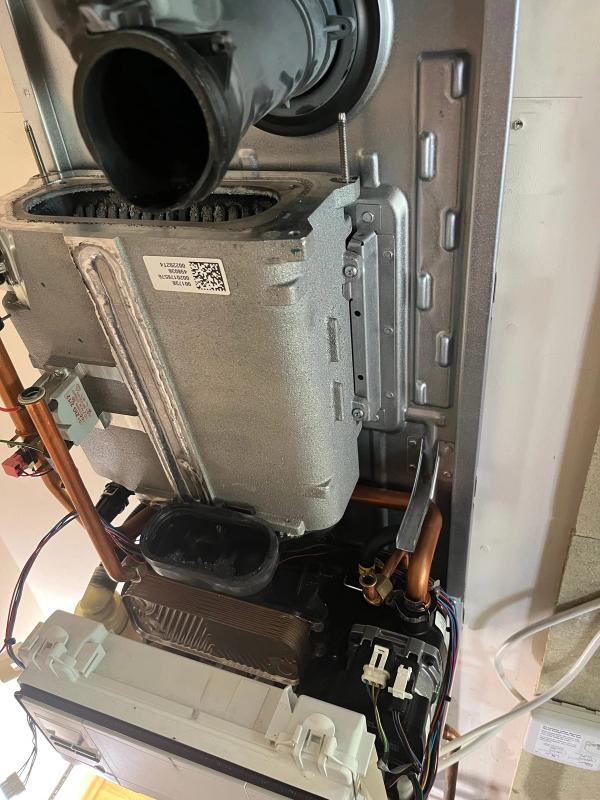
Before calling an engineer, a few safe checks often find the cause. Here is what to look at, what common symptoms usually mean, and where the DIY stops.
View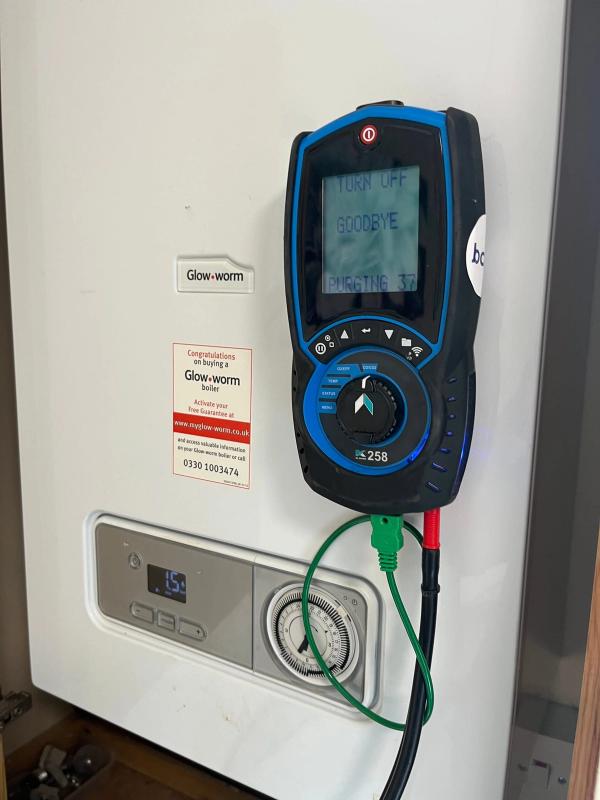
Boiler Service Plans vs a One-Off Annual Service
A one-off service and a service plan both get the boiler looked at each year. The difference is in what else is included, and that varies a great deal by provider.
View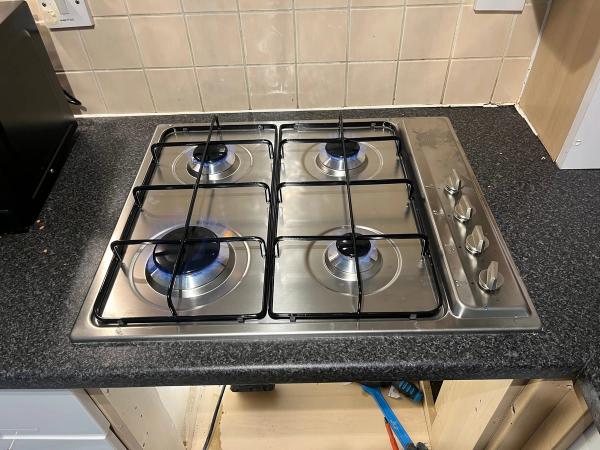
Can I Fit My Own Gas Cooker?
Swapping a gas cooker looks like a push-and-twist job. Here is what the law actually says, and what a proper connection involves.
View