
Boiler Not Working? Common Faults and What to Check First

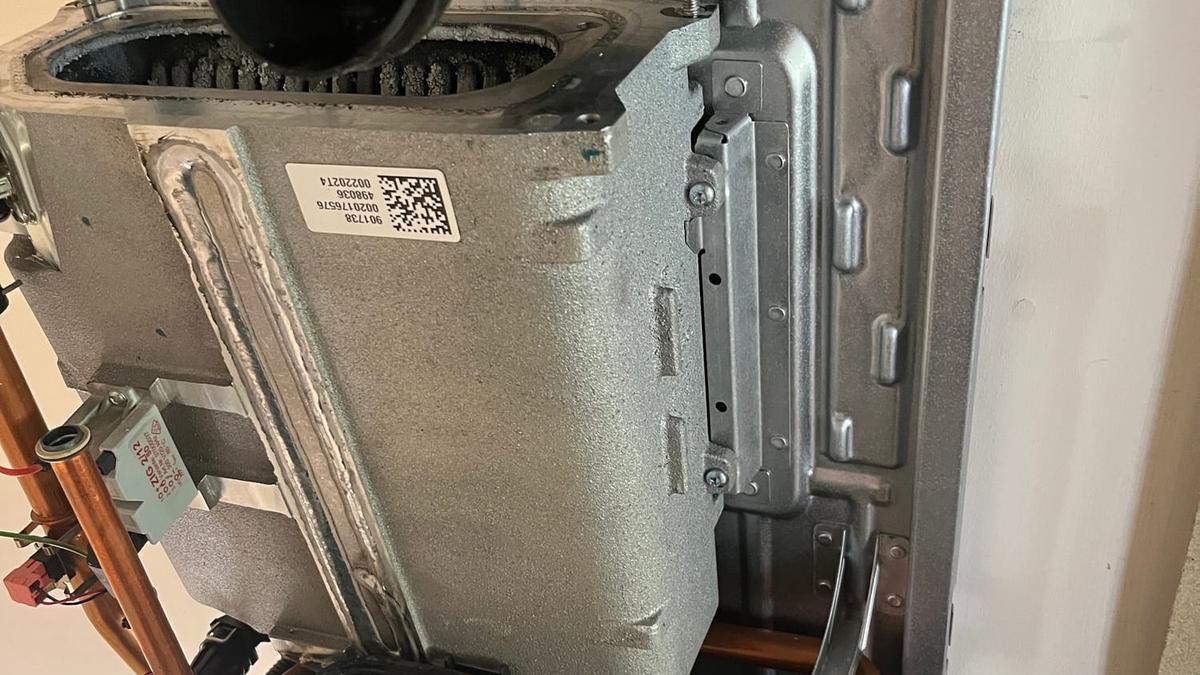
When a boiler stops working, the cause is often something you can check safely yourself: the gas supply, the power, the thermostat and timer, the pressure gauge, or in cold weather a frozen condensate pipe. If all of those look fine and one reset does not bring it back, the fault is most likely inside the boiler, and that is a job for a Gas Safe registered engineer.
Safe checks to try first
Check the gas. If your gas hob lights, gas is reaching the house. At the meter, the valve handle should be in line with the pipe, and a prepayment meter needs credit.
Check the power. If the boiler display is blank, make sure the fused switch next to the boiler is on and look for a tripped switch at the fuse box. A power cut can also reset the timer.
Check the thermostat and timer. Turn the room thermostat up a few degrees and make sure the timer is calling for heat. A flat battery in a wireless thermostat can stop the heating altogether.
Check the pressure gauge. If the needle on the boiler's gauge has fallen well below what the manual recommends, the boiler may refuse to fire. Our guide to low boiler pressure and how to fix it explains how to top it up.
Check the condensate pipe in cold weather. In a hard frost, the plastic pipe that drains a condensing boiler can freeze where it runs outside, and the boiler locks out. Our post on how to stop a condensate pipe freezing covers thawing it with warm, not boiling, water.
Reset it once. If the display shows a lockout, follow the manual and press reset once. If it locks out again, leave it: resetting over and over can hide a fault that needs looking at.
Common symptoms and what they often point to
These are patterns, not diagnoses.
No heating, but the hot water works. On a combi this often points to the controls, such as the thermostat, timer or wiring, or to the diverter valve that switches between heating and hot water. On a system or regular boiler, a motorised valve or the pump is a common culprit.
No hot water, but the heating works. On a combi, the diverter valve is again a usual suspect, along with the sensor that tells the boiler a tap is on. With a hot water cylinder, it may be the cylinder thermostat, a motorised valve or the timer settings.
Lockouts and fault codes. Write the code down and look it up in the manual. Ignition faults often come back to the gas supply, a blocked condensate trap or the ignition parts themselves. The code gives the engineer somewhere to start.
Pressure dropping. If you are topping up every few days, water is usually getting out somewhere: a leak on the pipework or a radiator valve, a pressure relief valve letting by, or an expansion vessel that has lost its charge.
Noises. A rumbling, kettle-like sound often means limescale or sludge in the heat exchanger, and gurgling usually means air in the system. Radiators that are cold at the top tend to need bleeding, while cold patches at the bottom often point to sludge, as our post on radiators cold at the top or bottom explains.
Leaks. Water dripping from the boiler or the pipes beneath it needs an engineer. Turn the boiler off, catch the water and keep it away from electrics. A pipe through the outside wall discharging water can mean the pressure has gone too high.
Can you repair your own boiler?
Not the boiler itself. The law requires anyone doing gas work to be competent, and anyone doing it for payment must be Gas Safe registered. Taking the casing off or swapping components is not DIY work, because a mistake can leave the boiler unsafe in ways you cannot see.
What you can do is everything in the checks above, plus bleeding radiators. If you are not sure which trade to call for what, our post on who fixes a boiler or radiator sorts it out. When an engineer comes, ask to see their Gas Safe ID card, which lists the work they are qualified for; you can also check them on the Gas Safe Register.
When to stop and call an engineer
If you smell gas, turn off the supply at the meter if you can, do not use electrical switches or naked flames, open the windows and call the National Gas Emergency number on 0800 111 999. If a carbon monoxide alarm goes off, open the windows, stop using gas appliances, get everyone into fresh air and call the same number.
If you notice sooty staining, scorch marks or a burning smell around the boiler, turn it off and leave it off until it has been checked. Otherwise, call an engineer if the boiler locks out again after one reset, if water is leaking from it, if the pressure keeps dropping, or if the checks above have found nothing. A good engineer will find and explain the fault before quoting for the boiler repair.
Repair or replace?
Most boiler faults can be repaired, and one breakdown is rarely reason enough to replace a boiler. Replacement makes more sense when breakdowns become frequent, when parts for an older model become hard to find, or when a big repair is needed on a boiler well into its working life. There is no fixed age at which a boiler must go, and our post on whether a 20-year-old boiler should be replaced goes through the questions to weigh up.
If a repair is not worth it, an honest engineer should say so. We repair the common makes, including Vaillant, Worcester Bosch, Glow-worm, Baxi and Ideal, and quotes for boiler installation and replacement are free and carry no obligation.
If you are in Edinburgh or Midlothian and your boiler has stopped working, see our boiler repair page.
Need a professional for your next project?
Get a free, no-obligation quote for your next project.
Get a Free QuoteFound this useful? Make us a preferred source in Google and our future guides will show up more often for you.
More from the blog
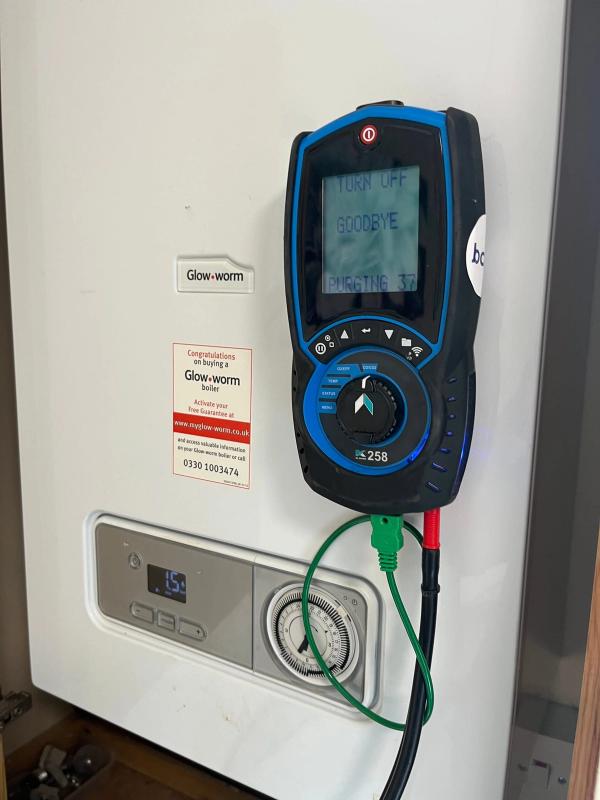
Boiler Service Plans vs a One-Off Annual Service
A one-off service and a service plan both get the boiler looked at each year. The difference is in what else is included, and that varies a great deal by provider.
View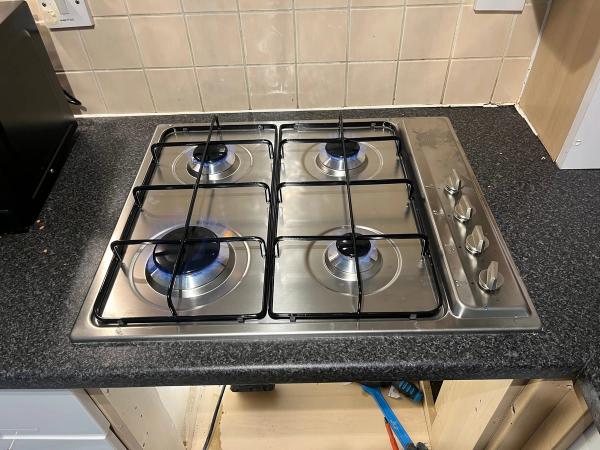
Can I Fit My Own Gas Cooker?
Swapping a gas cooker looks like a push-and-twist job. Here is what the law actually says, and what a proper connection involves.
ViewDo You Need a Gas Safety Certificate to Sell a House?
An owner-occupier does not legally need a gas safety certificate to sell. Here is when a check is still worth having, and what buyers tend to ask about.
View