
Can I Fit My Own Gas Cooker?

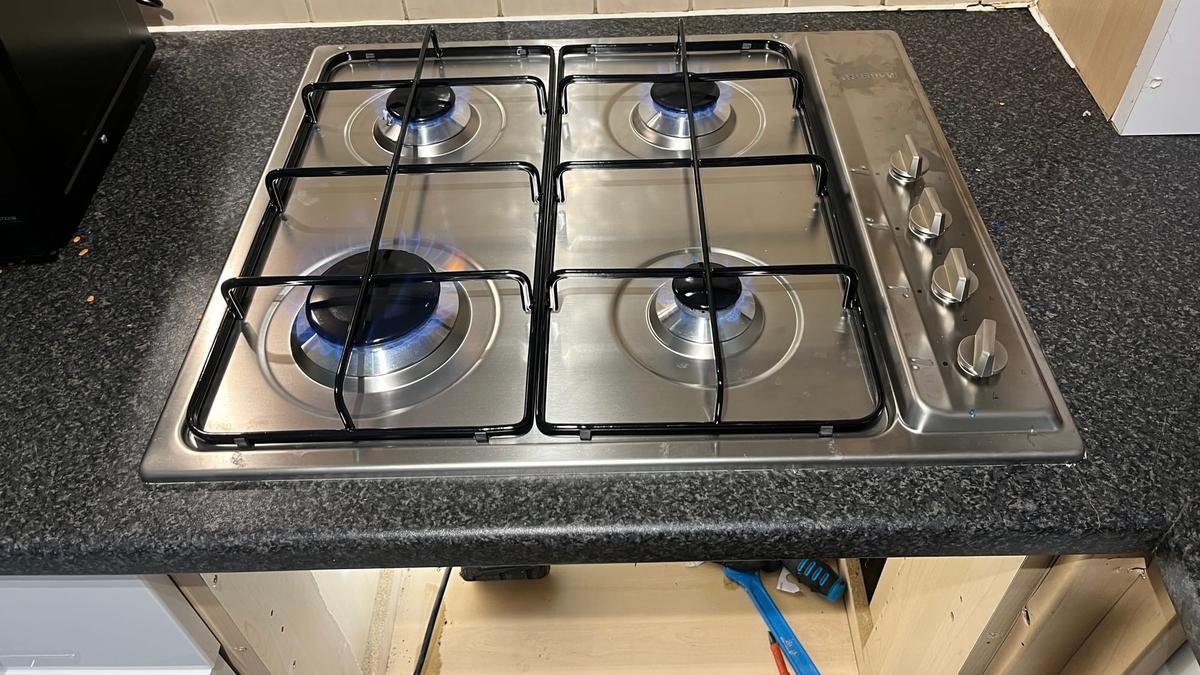
In practice, no. The law requires anyone who does gas work to be competent to do it, and anyone who fits gas appliances for gain must be Gas Safe registered. Connecting a gas cooker is gas work, and that includes swapping an old cooker for a new one on the same bayonet fitting. The law does not say a householder can never touch their own gas, but competence means proper training and assessment, so the practical answer is to have a Gas Safe registered engineer connect it.
Can I legally fit my own gas cooker?
The gas safety rules set two tests. The first applies to everyone: nobody should carry out work on a gas fitting unless they are competent to do it. The second applies to anyone doing gas work for gain, whether a plumber, a kitchen fitter or a handyman: they must be on the Gas Safe Register. Someone who is not registered connecting a cooker for payment is breaking the law.
Competence is what people underestimate. Registered engineers are trained and assessed for each type of appliance they work on, and they are reassessed regularly to stay registered. Someone fitting their own cooker is expected to work just as safely, without that training behind them, and if the work leads to a leak or a carbon monoxide problem, the person who did it is responsible.
Landlords, warranties and insurance
Landlords have no real choice. A gas cooker or hob that a landlord provides must be fitted by a Gas Safe registered engineer, and it has to be included in the annual gas safety check of every gas appliance the landlord provides.
Manufacturer warranties and home insurance can matter too. Some cooker warranties may require the cooker to be fitted by a registered engineer, and an insurer may ask who fitted an appliance after a claim. Check the cooker paperwork and your policy.
Is it easy to install a gas cooker?
The connection itself looks easy, which is why people ask. Most freestanding gas cookers connect to a bayonet fitting on the wall with a flexible hose: push the hose in, twist, and it locks. But fitting a cooker safely is mostly about what happens after the connection, and those checks need the right equipment and training.
The things that go wrong are usually small and easy to miss: a hose that is too long and kinks when the cooker is pushed back, a hose resting against a hot part of the cooker, an old bayonet that no longer seals properly, or a cooker set up for natural gas being connected to an LPG supply, or the other way round. None of them is obvious from the front of the cooker.
What a cooker installation involves
On a typical cooker swap, a Gas Safe engineer turns off the gas, disconnects the old cooker and checks the bayonet and hose. If either is worn or the wrong type, it is replaced. The engineer confirms the new cooker is set up for the type of gas in the property, then connects it. It is the same process for a basic freestanding cooker or a range cooker, and it is the work our gas cookers and hobs service covers.
Then comes a tightness test. The engineer connects a gauge to the test point on the gas meter and checks that the pipework holds its pressure, which shows there is no leak anywhere on the installation, not just at the cooker. After that, each burner on the hob, the oven and the grill is lit and checked for a steady, even flame, and the safety devices that shut off the gas if a flame goes out are tested where the cooker has them.
Finally, a freestanding cooker on a flexible hose needs a stability chain or bracket. It stops the cooker tipping forward if someone leans on the open oven door or a child climbs on it, and stops it being pulled out far enough to strain the hose. It is a small part and easy to forget.
What a kitchen fitter can and cannot do
A kitchen fitter can do plenty around a gas cooker. They can build the units, fit the worktops, leave a space of the right size and cut the hole for a built-in hob. What they cannot do, unless they are Gas Safe registered themselves, is disconnect the old cooker, cap the gas, move the supply or connect the new appliance. All of that is gas work.
Kitchen fitters often bring in a Gas Safe engineer for those parts, which is how it should work. If you are planning a new kitchen, have the engineer look at the gas supply before the units go in, so the bayonet or pipework ends up where the cooker or hob needs it. Our guide to gas hob installation covers that side of the job.
How to check the engineer is qualified for cookers
Gas Safe registration is not one blanket qualification. Each engineer is registered for specific categories of work, and their Gas Safe ID card lists them on the back. Before the work starts, ask to see the card, check the photo matches the person, and look for cookers among the categories. You can also check the engineer or their business on the Gas Safe Register. Boil-it is registered, number 195699, and fits gas cookers, hobs and range cookers.
If you are replacing a gas cooker with an electric one, the old cooker still needs to be disconnected and the gas supply capped safely, which is gas work. The electric cooker itself is a different job.
If you are in Edinburgh or Midlothian and have a new gas cooker to connect, see our gas cookers and hobs page, or ask for a free quote.
Need a professional for your next project?
Get a free, no-obligation quote for your next project.
Get a Free QuoteFound this useful? Make us a preferred source in Google and our future guides will show up more often for you.
More from the blog
Boiler Not Working? Common Faults and What to Check First
Before calling an engineer, a few safe checks often find the cause. Here is what to look at, what common symptoms usually mean, and where the DIY stops.
View
Boiler Service Plans vs a One-Off Annual Service
A one-off service and a service plan both get the boiler looked at each year. The difference is in what else is included, and that varies a great deal by provider.
ViewDo You Need a Gas Safety Certificate to Sell a House?
An owner-occupier does not legally need a gas safety certificate to sell. Here is when a check is still worth having, and what buyers tend to ask about.
View