
How Long Does a Boiler Service Take, and How Do You Know When Yours Was Last Done?

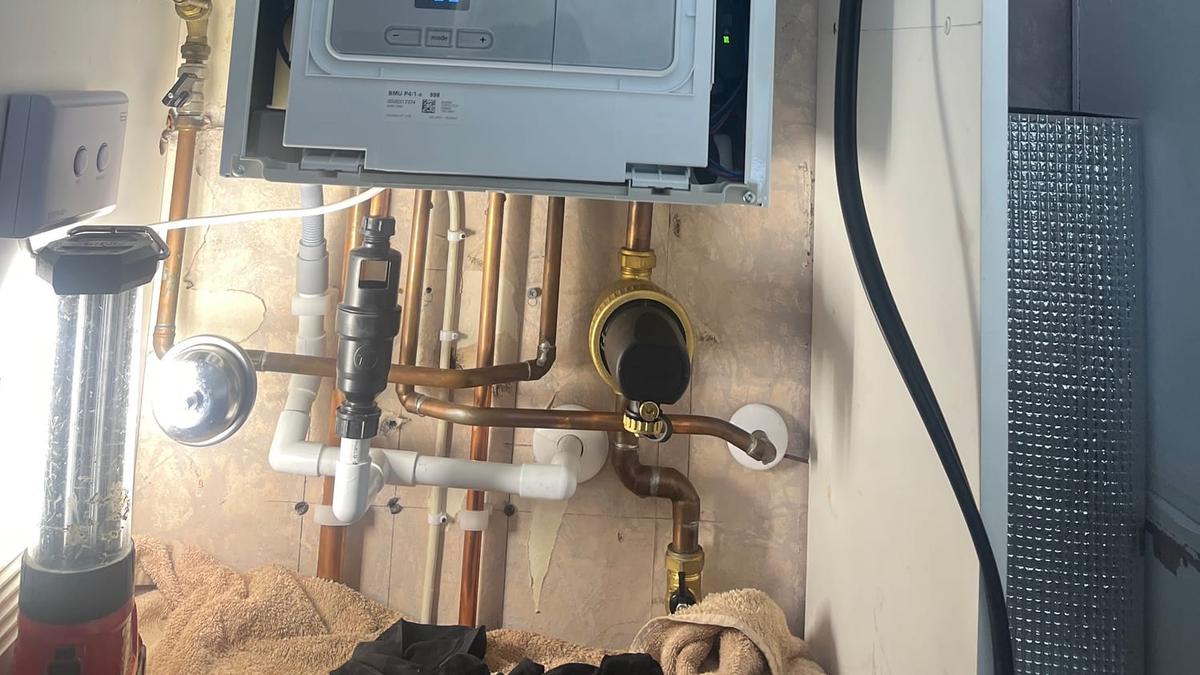
A routine service on a straightforward gas combi boiler typically takes around an hour. Some take a little less and plenty take longer: an older boiler, a system boiler with a separate hot water cylinder, a cramped cupboard or a fault found along the way can all add time. If you are not sure when yours was last done, the service record at the back of the boiler manual is the first place to look, followed by a sticker on or near the boiler, the last engineer's paperwork, or the landlord or previous owner.
What happens during a boiler service
A good service follows roughly the same pattern whoever does it. The engineer starts by asking whether you have noticed anything: the pressure dropping, odd noises, the boiler locking out, radiators slow to warm up. They then look over the boiler, the flue and the space around it, and check that the boiler is installed safely and has the air supply it needs.
Next the casing comes off. Depending on the make and model, the engineer checks the burner, the heat exchanger, the electrodes, the fan and the seals, and cleans what needs cleaning. On a condensing boiler, which most modern boilers are, the condensate trap is checked and cleared, since a blocked trap is a common cause of lockouts.
With the boiler back together, the engineer checks the gas pressure and carries out a combustion analysis, reading what is coming out of the flue to confirm the boiler is burning cleanly and safely. They test the safety devices, the system pressure and the controls, and fire the boiler on both heating and hot water. Finally they fill in the service record and talk you through anything they found. Our guide on how often a boiler should be serviced goes through each step in more detail.
What can make a service take longer
Access is often the first thing that adds time. A boiler in a packed kitchen cupboard, a high wall unit or a loft takes longer to get at, and the engineer may need to clear space before they can start. In tenement flats, boilers are often tucked into small cupboards off the hall or kitchen, so it helps to empty the cupboard before the visit.
The condition of the boiler matters too. One that has gone several years without a service often needs more cleaning, especially around the condensate trap and the burner, and an older boiler can take longer to strip down and put back together. Parts that look worn get a closer look.
Then there is what the engineer finds. If a seal has perished, a reading is out or a fault shows up, they should explain what it means and what it would take to put right. A repair is separate work from the service, and you should be told before anything beyond the service is done. Sometimes a small fix can be made during the same visit; sometimes it means coming back.
Finally, if you are a landlord and the annual gas safety check is being done at the same visit, expect it to take longer, because every gas appliance, fitting and flue you provide is checked, not just the boiler. The two are different jobs, as our post on the difference between a boiler service and a gas safety certificate explains.
How to tell when your boiler was last serviced
Start with the manual. Most modern boilers come with a Benchmark checklist, usually printed at the back of the installation manual, which includes a service record. Each time the boiler is serviced, the engineer is meant to fill in a section with the date, their details and what they did. In a rented flat or a house you have just bought, the manual is often in a drawer near the boiler or in the cupboard with it.
Look on and around the boiler. Some engineers leave a sticker or label on the casing, or inside the cupboard door, with the date of the last visit. It is not a formal record, but it is a useful clue.
Ask. Tenants can ask the landlord or letting agent, who may well keep the service history alongside the gas safety records. If you have bought the property, the seller or their agent may have invoices or the manual, and it is worth asking before the keys change hands. Your own emails and bank statements may also show when you last paid for a service.
If none of that turns anything up, assume it is due. An engineer can tell a lot from the condition of the boiler, and once it has been serviced you have a dated record to work from.
Getting ready for the visit
A little preparation keeps things moving. Clear the space around the boiler, have the manual out if you can find it, and make a note of any symptoms, fault codes or noises, even ones that come and go. Know where your gas meter is. The heating and hot water will be off for at least part of the visit, so it is not the morning to plan a long bath.
How often to have it done
Most manufacturers recommend a service once a year, and a manufacturer's warranty often depends on it, so check the terms of yours. Booking at the same time each year makes it easier to remember, and late summer or early autumn means the boiler has been looked at before the first cold spell of a Scottish winter. We service the common makes found in local homes, including Vaillant, Worcester Bosch, Glow-worm, Baxi and Ideal, and our boiler servicing page explains how we go about it.
If you are in Edinburgh or Midlothian and your boiler is due a service, see our boiler servicing page.
Need a professional for your next project?
Get a free, no-obligation quote for your next project.
Get a Free QuoteFound this useful? Make us a preferred source in Google and our future guides will show up more often for you.
More from the blog
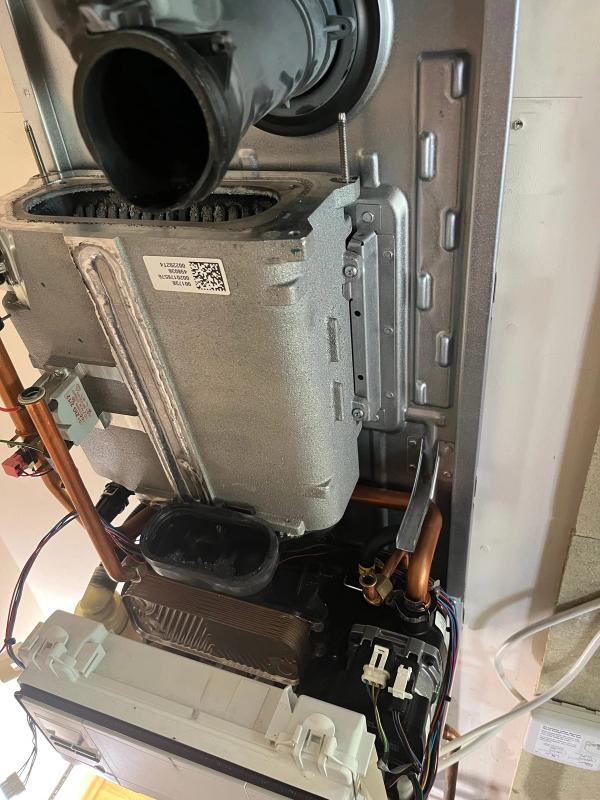
Boiler Not Working? Common Faults and What to Check First
Before calling an engineer, a few safe checks often find the cause. Here is what to look at, what common symptoms usually mean, and where the DIY stops.
View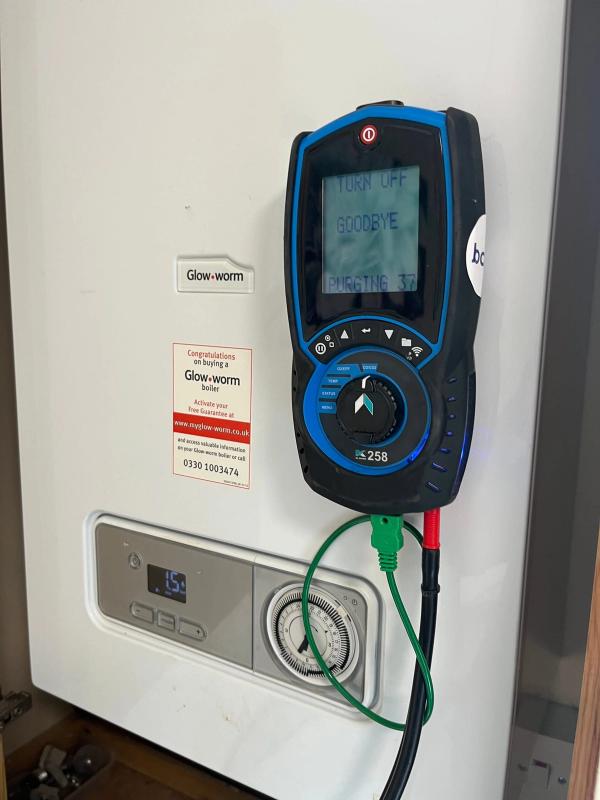
Boiler Service Plans vs a One-Off Annual Service
A one-off service and a service plan both get the boiler looked at each year. The difference is in what else is included, and that varies a great deal by provider.
View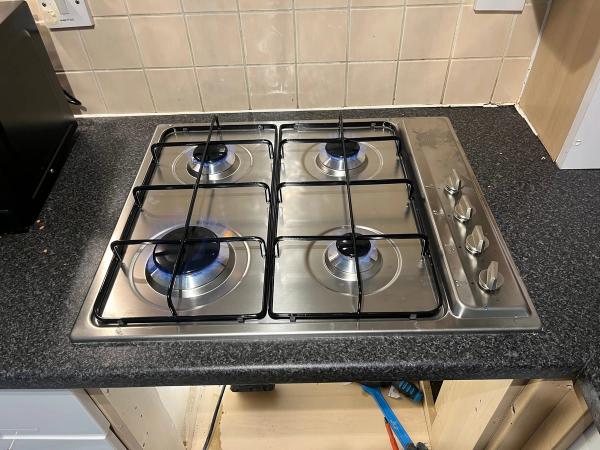
Can I Fit My Own Gas Cooker?
Swapping a gas cooker looks like a push-and-twist job. Here is what the law actually says, and what a proper connection involves.
View