
How Often Should a Boiler Be Serviced, and What Does a Service Include?

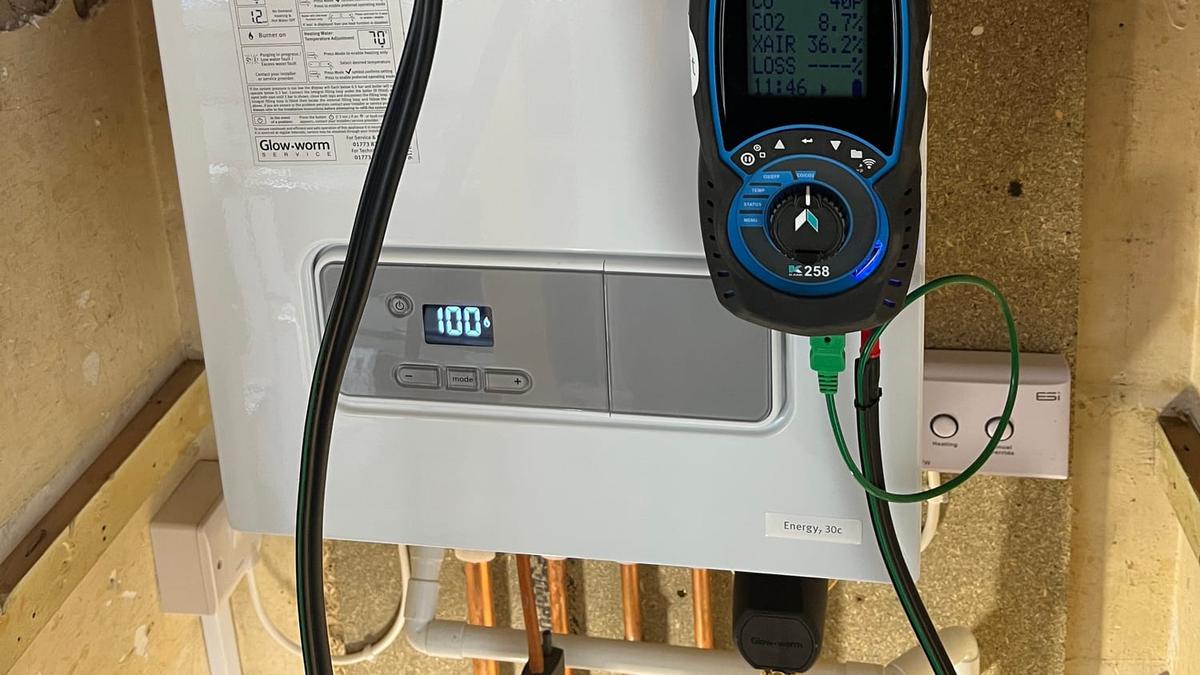
The short answer is once a year. That is what manufacturers recommend, and most of them make an annual service a condition of the warranty, so a missed year can quietly cost you cover you thought you had. The more useful question is what a service should actually involve, because the word gets used for anything from a twenty-minute look to a proper strip-down.
What a boiler service checks
A service starts with the boiler running, not with the case off. The engineer checks that it lights cleanly, that the flame and the controls behave, and that the flue is intact and terminating where it should. A flue gas analyser then measures what the boiler is actually producing — the combustion reading is the closest thing a service has to a blood test, and a boiler can look perfectly healthy while it is burning badly.
With the case off, the burner, the heat exchanger and the seals are inspected, the condensate trap is cleaned (on a condensing boiler it is a common cause of lockouts), and the safety devices are tested so they will shut the boiler down if something goes wrong. The gas pressure and rate are checked against the manufacturer's figures, and the system pressure is checked and topped up if it has dropped.
What a service is not
A service is not a gas safety certificate. If you let a property, the annual landlord gas safety check is a separate legal inspection of every gas appliance and flue in it, and having one does not give you the other — there is a full explanation in our guide to the difference between a boiler service and a gas safety certificate.
It is also not a repair visit. If the service turns up a worn part, it should be named, explained and quoted for, not swapped without a conversation. And it does not normally include the radiators, although an engineer who notices cold spots or a system full of sludge should tell you, because both shorten the boiler's life.
Signs you should not wait for the annual visit
Some things should not sit until the next service is due: a boiler that keeps losing pressure, yellow or lazy flames on an older open-flue appliance, sooty marks around the case or flue, a pilot light that will not stay lit, or the boiler locking out more than once. If you ever smell gas, turn the supply off at the meter if it is safe to do so, open the windows and call the National Gas Emergency Service on 0800 111 999.
Who should do it
Work on a gas boiler must be done by a Gas Safe registered engineer, and the register is public, so you can check any engineer's card and the categories of work they are registered for before they start. If your boiler is due, or you would like it looked at, our boiler servicing page sets out how we work.
Need a professional for your next project?
Get a free, no-obligation quote for your next project.
Get a Free QuoteFound this useful? Make us a preferred source in Google and our future guides will show up more often for you.
More from the blog
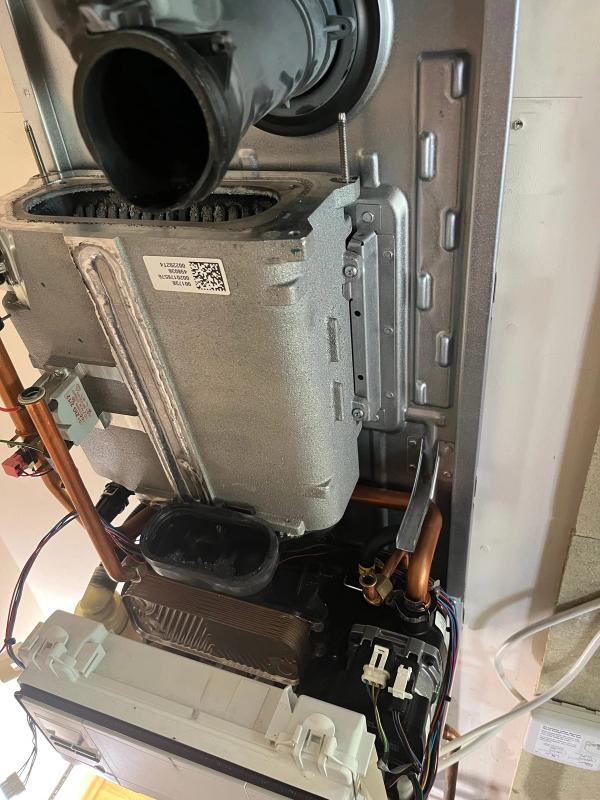
Boiler Not Working? Common Faults and What to Check First
Before calling an engineer, a few safe checks often find the cause. Here is what to look at, what common symptoms usually mean, and where the DIY stops.
View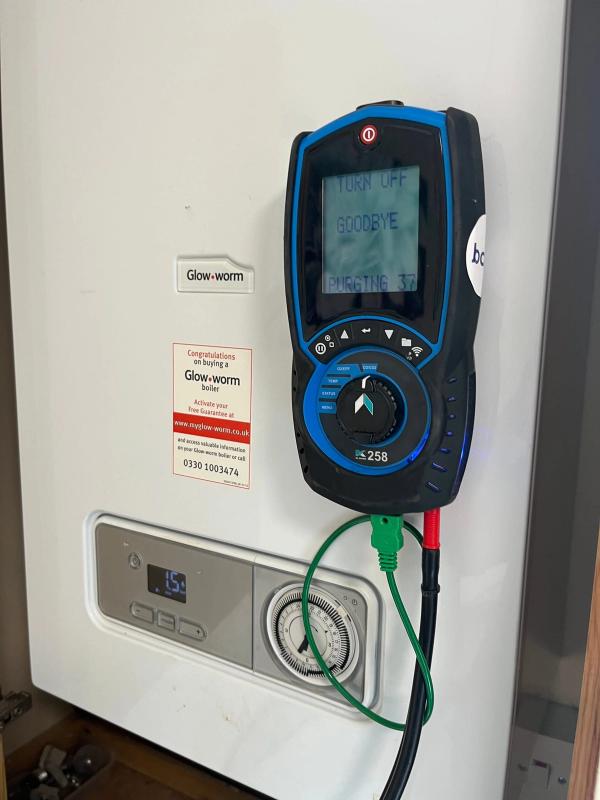
Boiler Service Plans vs a One-Off Annual Service
A one-off service and a service plan both get the boiler looked at each year. The difference is in what else is included, and that varies a great deal by provider.
View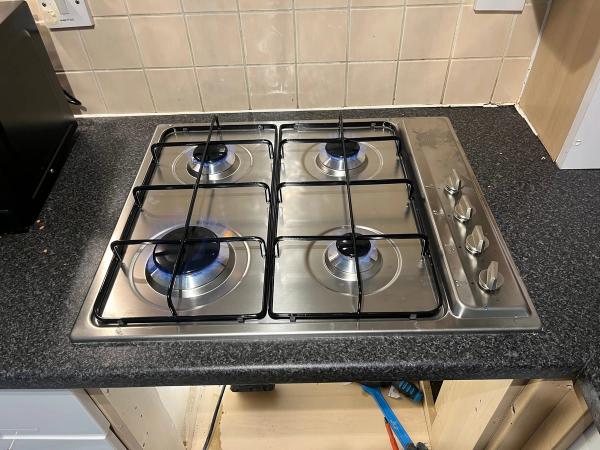
Can I Fit My Own Gas Cooker?
Swapping a gas cooker looks like a push-and-twist job. Here is what the law actually says, and what a proper connection involves.
View