
Boiler Service or Gas Safety Certificate — What’s the Difference?

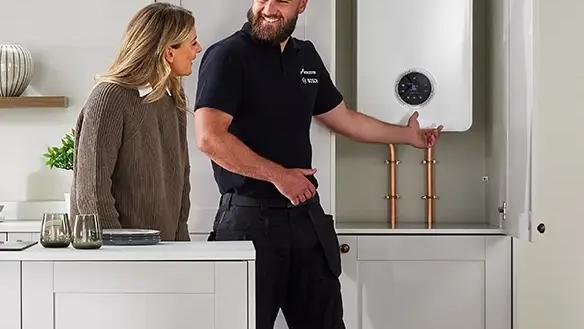
This is the most common mix-up in domestic gas work, and it matters most to the people who can least afford to get it wrong: landlords. A boiler service and a gas safety check are different pieces of work with different purposes, and having one does not give you the other.
What a boiler service is
A service is maintenance on one appliance. The engineer checks and cleans the burner and heat exchanger, takes combustion readings, checks the seals and the casing, looks at the condensate route, tests the safety devices and checks system pressure and the expansion vessel. The purpose is to keep the boiler running properly and to catch the things that turn into breakdowns. It is what a manufacturer typically expects annually to keep a warranty valid.
What a gas safety check is
A safety check is an inspection against the gas safety regulations, and it covers every gas appliance and flue in the property — the boiler, yes, but also the hob, the cooker and the fire. Each is checked for gas tightness, correct operation, adequate ventilation and satisfactory removal of the products of combustion. The result is written up on a certificate, whether it passes or not, listing every appliance and any defect found.
Why the difference matters to landlords
If you let a property, the duty is the safety check, not the service. Every gas appliance and flue has to be checked every twelve months by a competent engineer, and the record has to be given to the tenant and kept by you. A service record on the boiler alone does not satisfy that, because it says nothing about the hob or the fire. If the property is an HMO — and in Marchmont, Newington and Gorgie a great many are — check the licence conditions as well.
Why the difference matters to homeowners
It runs the other way round. A homeowner has no legal duty to hold a certificate, but does have a good reason to service the boiler: it keeps the appliance reliable and it usually keeps the warranty alive. If you want the assurance of the safety inspection as well, you can have both, which is what a lot of people actually mean when they ring and ask for one of them.
Doing both on one visit
They are frequently carried out together, and that is the efficient way to do it — one visit, one access arrangement, both pieces of paperwork. What we will not do is issue one and let you believe it is the other. If you are unsure which you need, say what the property is and who lives in it and we will tell you. See boiler repair and servicing and gas safety and appliances for what each involves.
Need a professional for your next project?
Get a free, no-obligation quote for your next project.
Get a Free QuoteFound this useful? Make us a preferred source in Google and our future guides will show up more often for you.
More from the blog
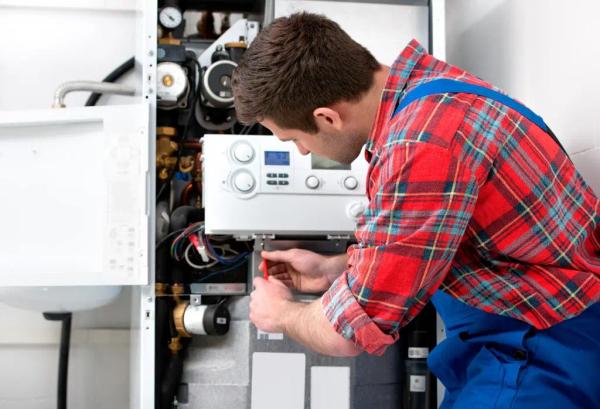
What to Do About a Burst or Frozen Pipe
The first two minutes matter more than the repair. Find the stopcock now, before you need it — especially if you live in a tenement flat.
View
Vented vs Unvented Cylinders — and Why Your Shower Pressure Is Poor
A better shower will not fix bad pressure. What the shower can do is decided by the system feeding it — here is how to tell which one you have.
ViewCan You Take a Radiator Off the Wall to Decorate?
Yes — and it is a genuinely small job when it is done properly. Here is what is involved, and what changes if you want the radiator gone for good.
View