
How Often Should a Gas Fire Be Serviced?

Most gas fires should be serviced once a year. That is the usual advice and what most manufacturers recommend, whether the fire is a modern glass-fronted model or an older fuel-effect fire. A yearly service keeps it burning cleanly and checks that the fumes are going where they should. If you rent and the landlord provides the fire, it must also be on the landlord's annual gas safety check.
Do gas fires need servicing every year?
In most cases, yes. A fire lit only on cold evenings may seem to need less attention than a boiler, but the risks are of the same kind. Dust settles in the burner over the summer, coals get moved during cleaning, and chimneys can be partly blocked by soot, fallen mortar or birds' nests, none of it obvious from the front of the fire.
The same goes for a gas fireplace. Many older homes have gas fires venting up old stone chimneys, which are often perfectly sound but worth checking, and if one was once used for coal or wood the engineer may advise a sweep.
In a rented home, a landlord must have every gas appliance, fitting and flue they provide checked every 12 months by a Gas Safe registered engineer, so a landlord's gas fire has to be on that check. A safety check is not a full service, though: it confirms the fire is safe on the day, while a service also cleans it and puts right what wears. Our page on gas safety checks and certificates explains the landlord side.
What does a gas fire service involve?
The details depend on the type of fire. The engineer watches it working, turns it off, lets it cool and takes it apart far enough to reach the burner. The burner and fuel bed are cleaned, and the coals, pebbles or logs are laid back out as the manufacturer's diagram shows, because coals in the wrong place can disturb the flame and cause sooting.
On an open-flued fire, which draws its air from the room and sends its fumes up a chimney, the engineer checks the flue and does a spillage test to confirm the fumes go up and not back into the room. Ventilation is checked against what the fire needs, since vents are often blocked up to stop draughts. The gas pressure, flame and safety devices are tested, including the flame failure device and, where fitted, the oxygen depletion sensor that shuts the fire off if the air runs short.
Glass-fronted balanced-flue fires are sealed from the room and take their air from outside, so their seals and outside flue terminal are checked instead. If anything makes a fire unsafe, the engineer will explain it and will not leave the fire in use.
How long does a gas fire service take?
A straightforward service on an accessible fire often takes about an hour, but it varies. A fire not looked at for years, a fuel bed that needs a thorough clean or a fault found along the way can all add time, as can other appliances on the same visit.
Who can service my gas fire?
A Gas Safe registered engineer qualified for gas fires. Anyone doing gas work for payment must be on the Gas Safe Register, and the law expects anyone doing gas work to be competent. Registered engineers carry an ID card listing the categories they can work on, so ask to see it and look for gas fires, or check the engineer on the Gas Safe Register. Boil-it is Gas Safe registered, number 195699, and gas fire servicing and safety checks are part of our domestic gas work. At home, keep to wiping the outside and keeping the area clear, and leave the burner, fuel bed and flue to the engineer.
Signs your fire needs looking at sooner
Do not wait for the yearly service if something changes. Flames that have become lazier, more yellow or sootier than usual can point to a poor burn; some decorative fires have yellow flames by design, so watch for a change from what is normal for yours. Black staining on the wall or canopy above the fire is a strong sign that fumes are not clearing. A persistent smell is worth taking seriously, although a faint dusty smell the first time the fire is lit each autumn is common.
If your carbon monoxide alarm sounds, or anyone gets headaches, dizziness or nausea that ease when they go outside, turn the fire off, open the windows, get everyone into fresh air and call the National Gas Emergency number on 0800 111 999. If you smell gas, turn off the supply at the meter if you can, do not use electrical switches or naked flames, open windows and call the same number. Do not use the fire again until it has been checked.
In Scotland, any room with a fixed combustion appliance, such as a gas fire or a boiler, must have a carbon monoxide alarm. A cooker does not count for this rule; a gas fire does. An alarm is a backstop, not a substitute for servicing.
Servicing the fire and the boiler on one visit
If you have a gas boiler too, it makes sense to have both done together: one appointment, one day to be in, and the engineer sees the gas installation as a whole. Late summer or early autumn is a good time, before the cold sets in. If you are booking boiler servicing, ask for the fire to be added.
If a service shows that a fire is worn out or unsafe, our guide to how long a gas fire lasts covers the repair-or-replace question.
If you are in Edinburgh or Midlothian and want your fire serviced or checked, see our gas fires page.
Need a professional for your next project?
Get a free, no-obligation quote for your next project.
Get a Free QuoteFound this useful? Make us a preferred source in Google and our future guides will show up more often for you.
More from the blog
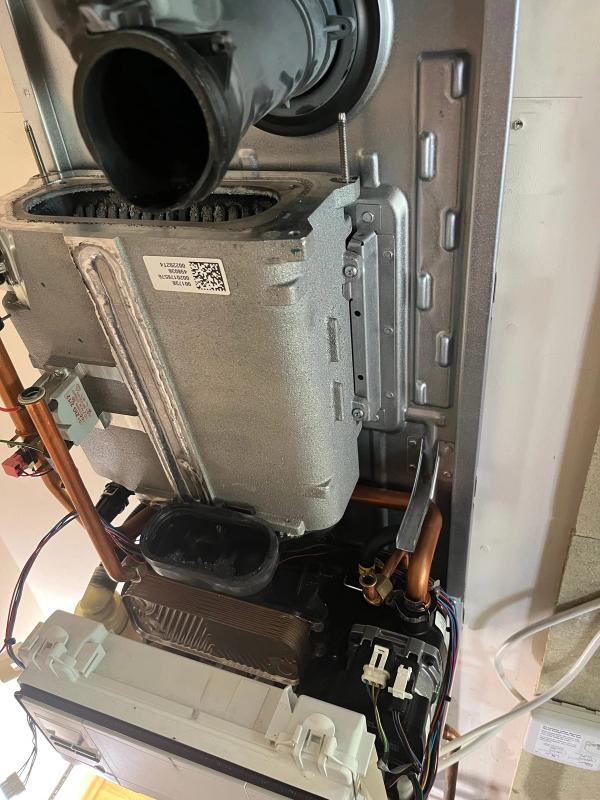
Boiler Not Working? Common Faults and What to Check First
Before calling an engineer, a few safe checks often find the cause. Here is what to look at, what common symptoms usually mean, and where the DIY stops.
View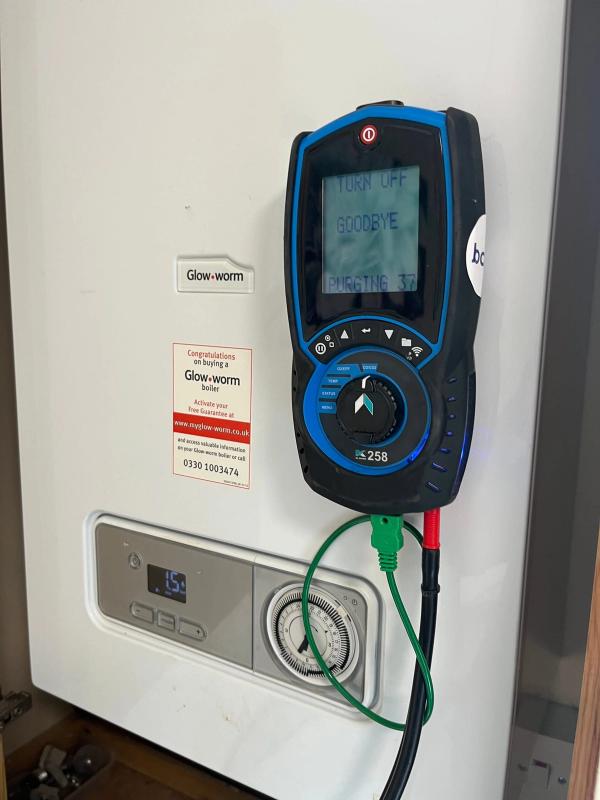
Boiler Service Plans vs a One-Off Annual Service
A one-off service and a service plan both get the boiler looked at each year. The difference is in what else is included, and that varies a great deal by provider.
View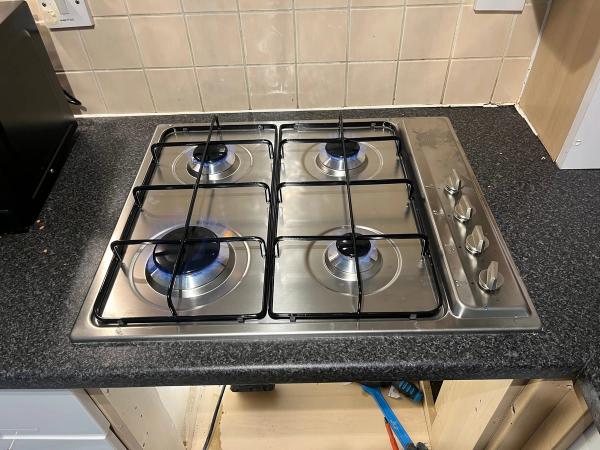
Can I Fit My Own Gas Cooker?
Swapping a gas cooker looks like a push-and-twist job. Here is what the law actually says, and what a proper connection involves.
View