Fitting an Unvented Cylinder: What Is Involved

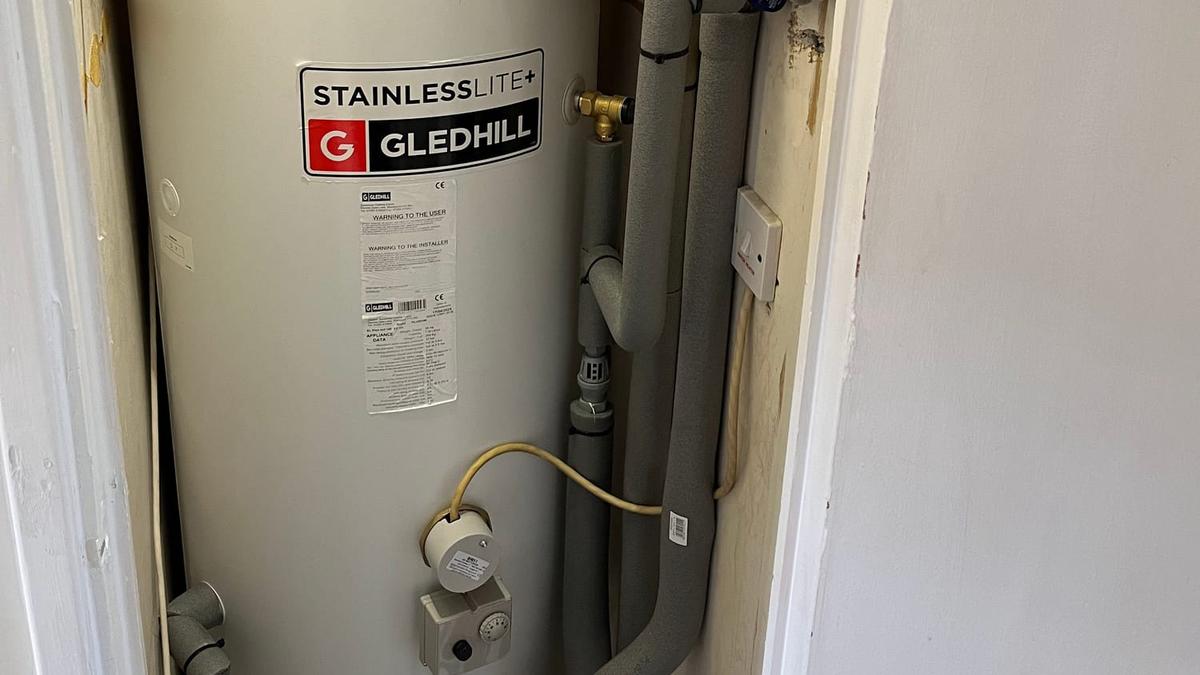
An unvented cylinder gives you mains-pressure hot water at every tap and shower, without a cold water tank in the loft. Fitting one is more than swapping one tank for another, though. It is a pressurised appliance with safety devices of its own, and its installation is covered by the building standards. This is what the job involves.
First: can your water supply support it?
An unvented cylinder runs off the incoming mains, so the mains has to deliver. Before anything is quoted, the pressure and the flow rate should be measured at the kitchen tap. Good pressure with a poor flow will not give the result people expect, and that is common where an old or narrow supply pipe feeds the property, as in many Edinburgh tenements. Sometimes the supply pipe needs upgrading first. Our guide to vented and unvented cylinders explains how pressure and flow affect your shower.
Where it goes
Usually where the old cylinder was, often in the airing cupboard. It needs room for the cylinder, its expansion vessel and valves, and access for the yearly check. The cold water tank in the loft is no longer needed and can come out, along with the old feed and vent pipes.
The safety devices
Because the water inside is sealed and heated, an unvented cylinder has to manage the pressure. A pressure-reducing valve keeps the incoming mains at a safe level, an expansion vessel takes up the water as it expands, and two relief valves open if the pressure or the temperature gets too high. They discharge through a tundish into a pipe that has to end somewhere safe and visible outside. Finding that discharge route is often the trickiest part of the job in a flat.
Paperwork and the annual check
Unvented hot water systems are covered by the building standards in Scotland, and the installer needs a specific qualification for unvented work, so it is reasonable to ask to see it. Once fitted, the cylinder should be registered with the manufacturer for its warranty and checked every year: the expansion vessel charge, the relief valves and the discharge route.
What decides the cost
The size of the cylinder, which runs from around 150 litres for a flat to 250 litres or more for a family house. Whether it is heated by the boiler or by an immersion element alone. Whether your boiler suits it: a system or heat-only boiler can heat one, while a combi cannot. Then the discharge route, the pipework changes, the controls, and taking out the old cylinder and tank.
See our hot water cylinders page for the work we do, or ask for a free quote and we will measure your supply first.
Need a professional for your next project?
Get a free, no-obligation quote for your next project.
Get a Free QuoteFound this useful? Make us a preferred source in Google and our future guides will show up more often for you.
More from the blog
Boiler Not Working? Common Faults and What to Check First
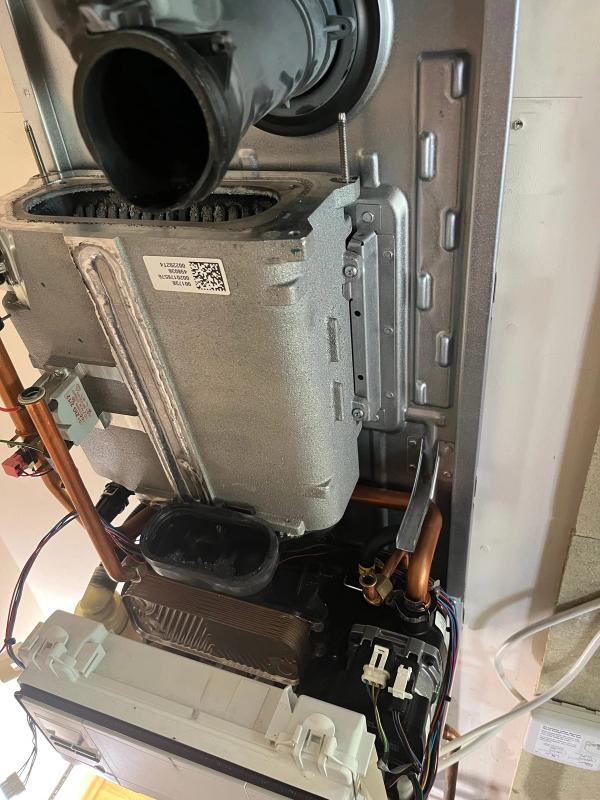
Before calling an engineer, a few safe checks often find the cause. Here is what to look at, what common symptoms usually mean, and where the DIY stops.
View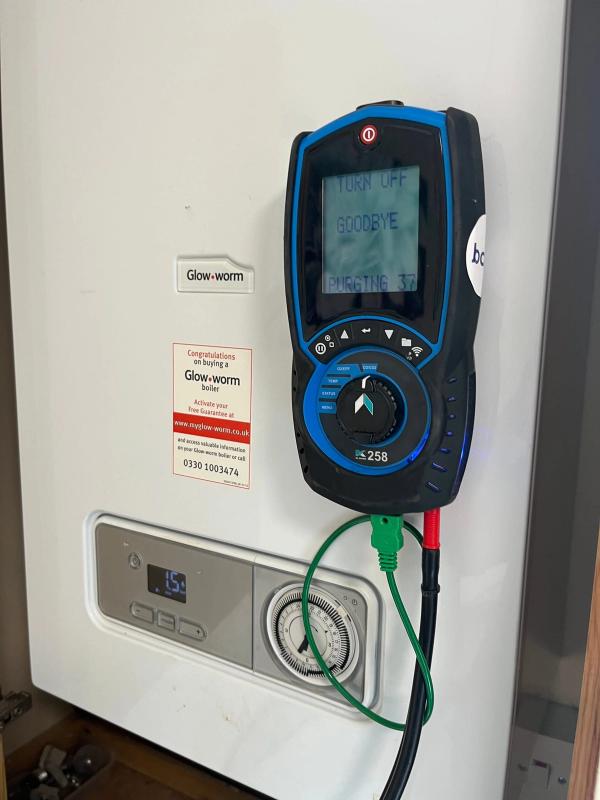
Boiler Service Plans vs a One-Off Annual Service
A one-off service and a service plan both get the boiler looked at each year. The difference is in what else is included, and that varies a great deal by provider.
View
Can I Fit My Own Gas Cooker?
Swapping a gas cooker looks like a push-and-twist job. Here is what the law actually says, and what a proper connection involves.
View