Electric or Mixer Shower: Which Should You Fit?

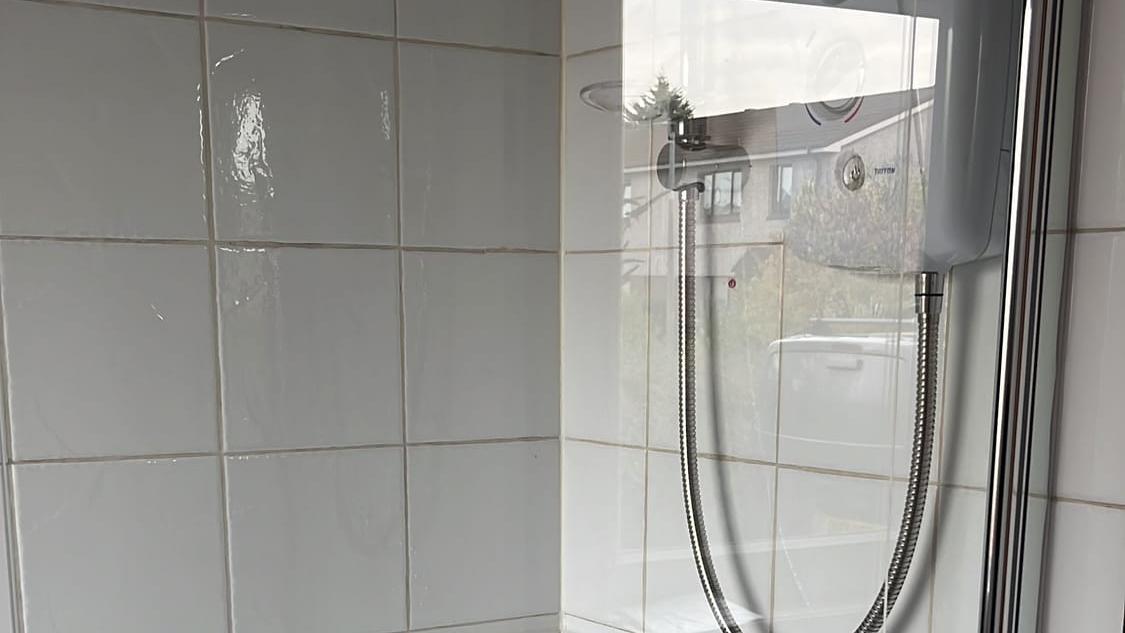
It depends mostly on how your home gets its hot water. An electric shower heats its own water from the cold mains, so it works in almost any home with a reasonable cold supply and a suitable electrical circuit. A mixer blends hot and cold water the house already has, so it suits a combi boiler or a cylinder that can deliver a decent flow. If your hot water supply is strong, a mixer usually gives the better shower; if it is weak, an electric shower is often the simpler answer.
How each type works
An electric shower heats cold mains water as it passes through an element inside the unit. It does not use the boiler or stored hot water, so it keeps working when the boiler is off. On many models the temperature is set by the flow: slower water comes out hotter.
A mixer shower has no heater of its own. Its hot water comes from a combi boiler, which heats water as you use it; an unvented cylinder, which stores hot water at mains pressure; or a vented cylinder, fed from a cold tank, usually in the loft, which relies on gravity for its pressure. If you are not sure which you have, our guide to vented and unvented cylinders explains the difference.
Which type suits which home
With no stored hot water, an electric shower gives you a shower that does not depend on the boiler, which is why some households with a combi keep one in a second bathroom as a backup.
A combi can run a good mixer, but only as well as its flow rate allows. It heats water as it passes through, so there is a limit to how much it can deliver at once, and someone running the kitchen tap will be noticed in the shower. With a decent mains supply and a combi sized for the house, though, a mixer can be very good.
On a gravity-fed system, pressure depends on how high the tank sits above the shower head, so in a bungalow or a top-floor flat a mixer can be disappointing without a pump. An unvented cylinder, at mains pressure, gives a mixer much more to work with; our page on hot water cylinders explains the options.
Flats and tenements bring their own limits. Space for a cylinder is often tight, many tenement flats run on a combi, and mains pressure can vary from building to building and floor to floor. An electric shower is often the easier fit in a small tenement bathroom, though a combi with good flow can run a mixer just as well. We fit and replace both types as part of our showers and toilets work.
Flow and feel
A mixer on a good supply usually gives a fuller, stronger shower, because it is not limited by how quickly a heater can warm the water. An electric shower has a fixed amount of heating power, so to make the water hotter it has to slow the flow. That shows most in a Scottish winter, when the incoming mains water is colder and the flow often drops to keep the temperature up. A more powerful unit narrows the gap but needs a heavier electrical supply.
The electrical side of an electric shower
An electric shower draws a lot of power, so it needs its own circuit from the consumer unit, with cable and protection sized for that shower, and a way to switch it off completely, usually a ceiling pull cord or a switch outside the bathroom.
Swapping an old electric shower for one of the same or lower power is often straightforward if the existing circuit is suitable. Fitting one where there was none, or moving to a more powerful model, usually means a new or upgraded circuit. When we fit an electric shower we do the plumbing; where a new or upgraded supply is needed, an electrician does that part.
Running costs
Running costs depend more on how long everyone spends in the shower than on the type. An electric shower heats only the water you use, but on electricity, which usually costs more per unit than gas. A mixer uses gas-heated water instead; a combi heats only what you draw, while a cylinder loses some heat as the water sits stored. A strong mixer also uses more hot water per minute. Most homes in Scotland have no water meter, so the water itself does not usually change the bill, but heating it does.
How to tell what shower you have
If the unit on the wall has a power switch or light, and there is a ceiling pull cord or an isolating switch outside the bathroom, it is almost certainly electric. If the shower is worked by a valve, either a bar on the wall or handles with the pipes hidden behind the tiles, and nothing about it needs power, it is a mixer. The one that catches people out is a power shower, which looks like an electric unit with its own pull cord but takes hot and cold pipes and contains a pump rather than a heater.
Pumped showers
A pump boosts a mixer on a gravity-fed system, either built into a power shower or as a separate pump. It can transform a weak shower, but the cold tank and cylinder need to be big enough to keep up. Pumps are meant for tank-fed supplies and should not draw straight from the mains; with a combi or an unvented cylinder, which already run at mains pressure, they are not needed.
If you are in Edinburgh or Midlothian and want a shower fitted or replaced, see our showers and toilets page.
Need a professional for your next project?
Get a free, no-obligation quote for your next project.
Get a Free QuoteFound this useful? Make us a preferred source in Google and our future guides will show up more often for you.
More from the blog
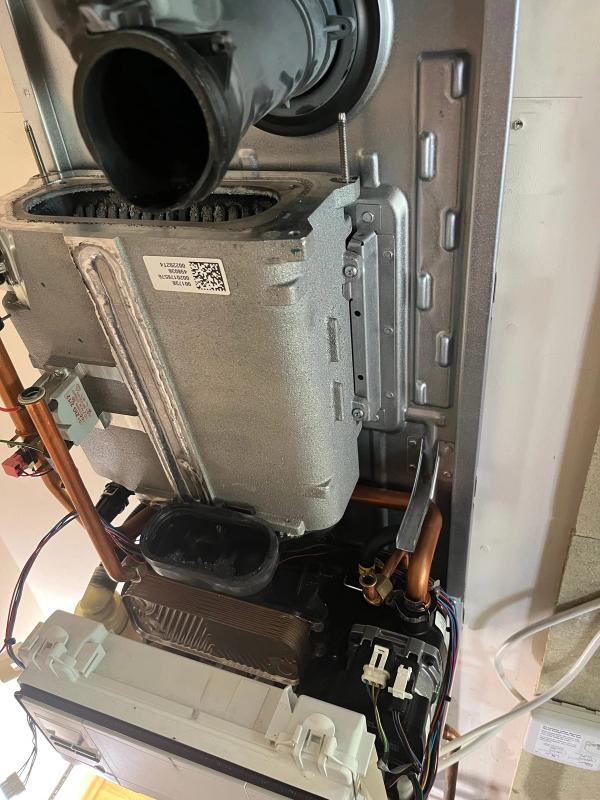
Boiler Not Working? Common Faults and What to Check First
Before calling an engineer, a few safe checks often find the cause. Here is what to look at, what common symptoms usually mean, and where the DIY stops.
View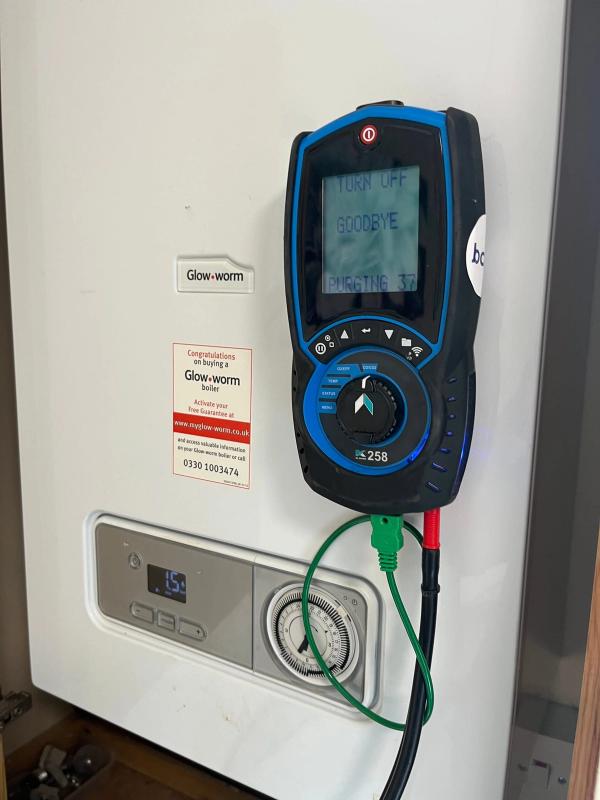
Boiler Service Plans vs a One-Off Annual Service
A one-off service and a service plan both get the boiler looked at each year. The difference is in what else is included, and that varies a great deal by provider.
View
Can I Fit My Own Gas Cooker?
Swapping a gas cooker looks like a push-and-twist job. Here is what the law actually says, and what a proper connection involves.
View