
Do You Need a Gas Safety Certificate to Sell a House?

No. If you own the house and live in it, there is no legal requirement to have a gas safety certificate before you sell, and it is not illegal to sell without one. The annual gas safety check is a duty on landlords, not homeowners. Even so, buyers want to know the boiler and any other gas appliances are safe and working, and having a recent service or check on record can save questions later in the sale.
Is it illegal to sell a house without a gas safety certificate?
It is not. The gas safety record that people call a CP12 exists because landlords must have every gas appliance, fitting and flue they provide checked every 12 months. An owner-occupier has no such duty, and putting the house on the market does not create one. Nothing in the selling process requires a certificate by law.
The exception worth knowing about is a property that has been let, which has its own section below.
What the Home Report does and does not cover
In Scotland, sellers provide a Home Report, which includes a survey of the property. That survey is generally a visual inspection. The surveyor will usually note the type of heating and comment on anything obviously wrong, but they do not test the boiler, the gas pipework or the other gas appliances. The report may simply say the services were not tested, or suggest the buyer has them checked.
So a Home Report with nothing alarming in it does not tell a buyer the gas installation is safe. A careful buyer, or their solicitor, may want to know more.
What buyers and solicitors may ask about
Questions about the heating can come up at any point once someone is interested. Buyers may ask how old the boiler is, when it was last serviced, whether there is a gas fire and when that was last looked at, and whether you have the paperwork: the boiler's manual, its service history, and details of any manufacturer's warranty that is still running.
Having that to hand helps. A buyer looking at a boiler with a regular service history is in a different position from one looking at a boiler nobody knows anything about. It also means you can give honest, specific answers rather than guessing, which matters when your answers may end up in writing.
When a check before selling is worth it
For many sellers there is nothing to do beyond finding the last service record. A check is worth booking in a few situations, though. An older boiler that has not been serviced for a few years is the obvious one. Having it serviced, or checked, before the house goes on the market means any problem is found on your terms rather than raised by a buyer late in the sale. If the boiler is due anyway, our boiler servicing page explains what a service covers.
A gas fire is another. Gas fires are often the appliance nobody thinks about, particularly in older flats and houses where the fire was fitted long ago and is rarely lit. If there is one, it is worth having it looked at. In Scotland a room with a fixed combustion appliance, such as a gas fire or a boiler, must have a carbon monoxide alarm, so check those are in place as well.
The third is any property that has been let. Gather the old gas safety records together. They show the history of the appliances, and they are the kind of paperwork a buyer's solicitor may ask to see.
Selling a let property, or selling to a landlord
If the house is let while you are selling it, your duties as a landlord carry on until the tenancy ends. The gas safety check must stay in date, and your tenants must still get their copy of the record. If the property is sold with tenants in place, the buyer becomes their landlord and takes on the duty, so handing over the current record and its date makes the changeover easier for everyone.
If your buyer plans to let the property out, they will need a gas safety record in place for their tenants, who must be given a copy before they move in. That is the buyer's job rather than yours, and they will usually want a check done with their own details on the record. A recent check of your own still helps, because it tells them what they are taking on.
What a gas safety check involves
A gas safety check is a visual and practical inspection of each gas appliance, the pipework and any flues. The engineer usually tests the installation for leaks with a tightness test, checks that each appliance is burning correctly and getting enough air, checks that flues are taking fumes away safely, and makes sure the safety devices work. On a boiler that can include combustion analysis, which measures what is coming out of the flue.
At the end you get a written record of what was checked and anything that needs attention. A check is not a full service, which involves cleaning and adjusting parts, so if the boiler is due one it makes sense to book both together. Homeowners can book a check just as landlords do, and our gas safety checks and certificates page explains how it works. Our guide on how to check a gas safety certificate covers what the record should show.
If you are selling in Edinburgh or Midlothian and want the gas appliances looked at first, see our gas safety checks and certificates page, or ask for a free quote.
Need a professional for your next project?
Get a free, no-obligation quote for your next project.
Get a Free QuoteFound this useful? Make us a preferred source in Google and our future guides will show up more often for you.
More from the blog
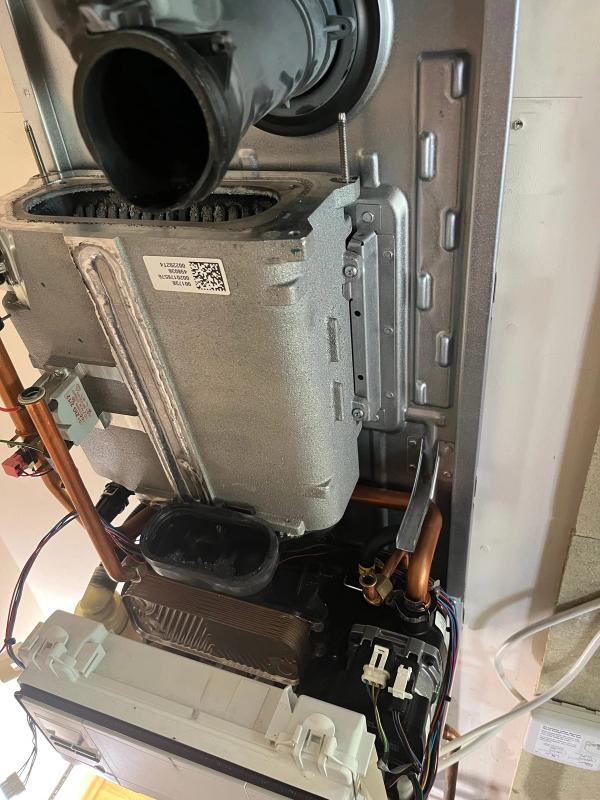
Boiler Not Working? Common Faults and What to Check First
Before calling an engineer, a few safe checks often find the cause. Here is what to look at, what common symptoms usually mean, and where the DIY stops.
View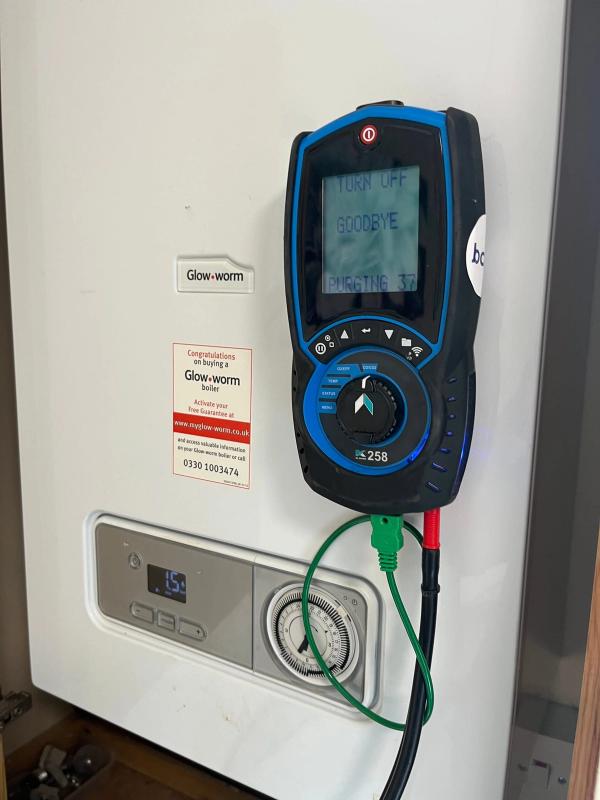
Boiler Service Plans vs a One-Off Annual Service
A one-off service and a service plan both get the boiler looked at each year. The difference is in what else is included, and that varies a great deal by provider.
View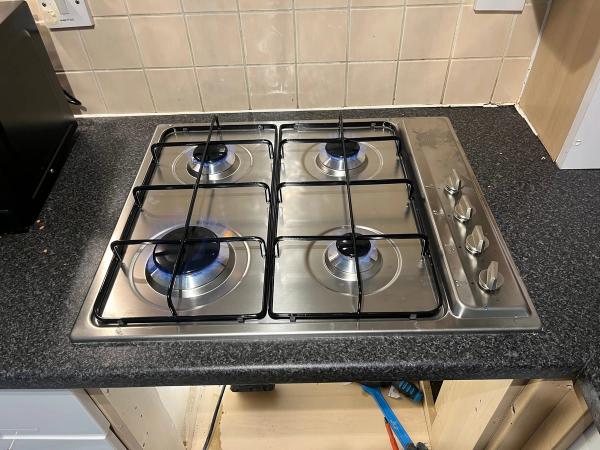
Can I Fit My Own Gas Cooker?
Swapping a gas cooker looks like a push-and-twist job. Here is what the law actually says, and what a proper connection involves.
View