
Gas Hob Installation: What Is Involved

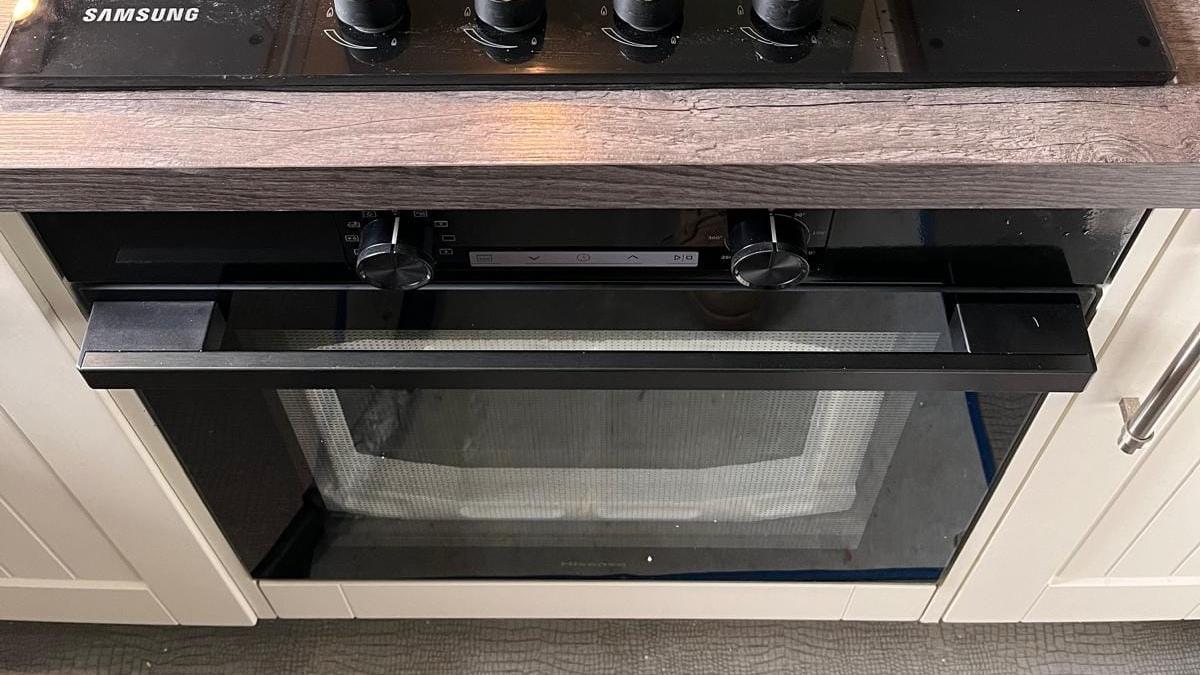
Installing a gas hob means fitting it into a cut-out in the worktop, connecting it to the gas supply, testing the gas installation for leaks, and then lighting and checking every burner. The connection and the testing are gas work, so they need a competent person, and anyone doing them for payment must be Gas Safe registered.
Before the visit
Three things decide whether the hob goes straight in or the job grows. The first is size. Each hob model has its own cut-out size, given in its installation instructions. If you are replacing an old hob, check whether the new one fits the existing hole. Making a cut-out bigger is a job for whoever fits your worktops, and a hole that is too big for the new hob may mean a new piece of worktop.
The second is the gas supply. Look in the cupboard below where the hob will sit and see whether there is a gas pipe there already. If the supply is somewhere else, the pipework will need to be extended or rerouted, and it has to be the right size for the hob to get enough gas. If your home runs on LPG rather than mains gas, the hob needs to be one set up for LPG.
The third is power for the ignition. Most gas hobs have electric spark ignition, so they need a plug socket or a fused spur nearby, usually in the cupboard below. If there is not one, any new electrics are a job for an electrician, and it is easiest to have that done before the hob goes in.
Regulations and clearances
The main rules are the Gas Safety (Installation and Use) Regulations. They require anyone doing gas work to be competent, and anyone doing it for gain to be on the Gas Safe Register. Much of the practical detail comes from the manufacturer's installation instructions and the industry standards engineers work to.
People often ask how far a gas hob has to be from a wall, a cupboard or a cooker hood. There is no single distance that applies to every hob. Each manufacturer sets its own minimum clearances to side walls, to wall units above and to anything that could catch fire, and the cooker hood's instructions give a minimum height above a gas hob. Check both before the kitchen layout is final. The engineer will also look at the room's ventilation, since a gas hob needs a supply of air to burn properly.
On the day
If there is an old gas hob, the engineer turns off the gas, disconnects it and caps the supply. The new hob is dropped into the cut-out and secured to the worktop with its fixing clamps or brackets, then connected to the gas supply with the type of connection the manufacturer specifies. This is the work covered by our gas cookers and hobs service.
Next comes a tightness test. The engineer connects a gauge to the test point on the gas meter and checks that the whole installation holds its pressure, which confirms there is no leak anywhere on the pipework. Then each burner is lit in turn and checked. The flame should be steady and even, the ignition should light it reliably, and the safety device that shuts off the gas if the flame goes out should work.
In a rented home, the new hob joins the list of appliances on the landlord's annual gas safety record.
Swapping between gas and induction
Going from gas to induction is mostly an electrical job, but it has a gas part. The old hob has to be disconnected and the gas supply capped safely, which is gas work. An induction hob usually needs a suitable electrical supply of its own, and where a new or upgraded supply is needed, an electrician does that part.
Going the other way means bringing gas to the right spot, which can mean a new pipe run from the meter or from an existing gas pipe. In a tenement flat with thick stone walls and the meter in a hall cupboard, the run is not always short, and the pipe has to be sized so the hob still gets enough gas when the boiler is running.
What affects the cost of fitting a gas hob
The cost of fitting a gas hob varies with the job. The main things that affect it are whether there is already a gas supply in the right place, whether pipework needs extending or rerouting, whether the cut-out suits the new hob, how easy it is to get at the connection under the worktop, and whether an old hob or cooker needs disconnecting and capping first.
A like-for-like swap on an existing supply is the simplest version. A new hob in a new position, in a kitchen being refitted, is a bigger one. Boil-it gives free, no-obligation quotes, so the easiest way to find out is to tell us what you have now and what you are fitting.
Why it is gas work
Dropping a hob into a worktop looks like joinery, and that part can be done by a kitchen fitter. But disconnecting the old hob, capping the supply, connecting the new one and testing it are all work on a gas fitting. A leak at a hob connection sits in a closed cupboard, out of sight, and a burner that is not burning cleanly is not always obvious by eye. That is why the law ties the work to competence and registration, and why it is worth checking that the engineer's Gas Safe ID card lists cookers among their categories, as hobs come under that heading.
For cookers, our post on whether you can fit your own gas cooker sets out what the law says.
If you are in Edinburgh or Midlothian and have a gas hob to fit or replace, see our gas cookers and hobs page, or ask for a free quote.
Need a professional for your next project?
Get a free, no-obligation quote for your next project.
Get a Free QuoteFound this useful? Make us a preferred source in Google and our future guides will show up more often for you.
More from the blog
Boiler Not Working? Common Faults and What to Check First
Before calling an engineer, a few safe checks often find the cause. Here is what to look at, what common symptoms usually mean, and where the DIY stops.
View
Boiler Service Plans vs a One-Off Annual Service
A one-off service and a service plan both get the boiler looked at each year. The difference is in what else is included, and that varies a great deal by provider.
View
Can I Fit My Own Gas Cooker?
Swapping a gas cooker looks like a push-and-twist job. Here is what the law actually says, and what a proper connection involves.
View