
Toilet Keeps Running or Won't Flush? The Usual Faults

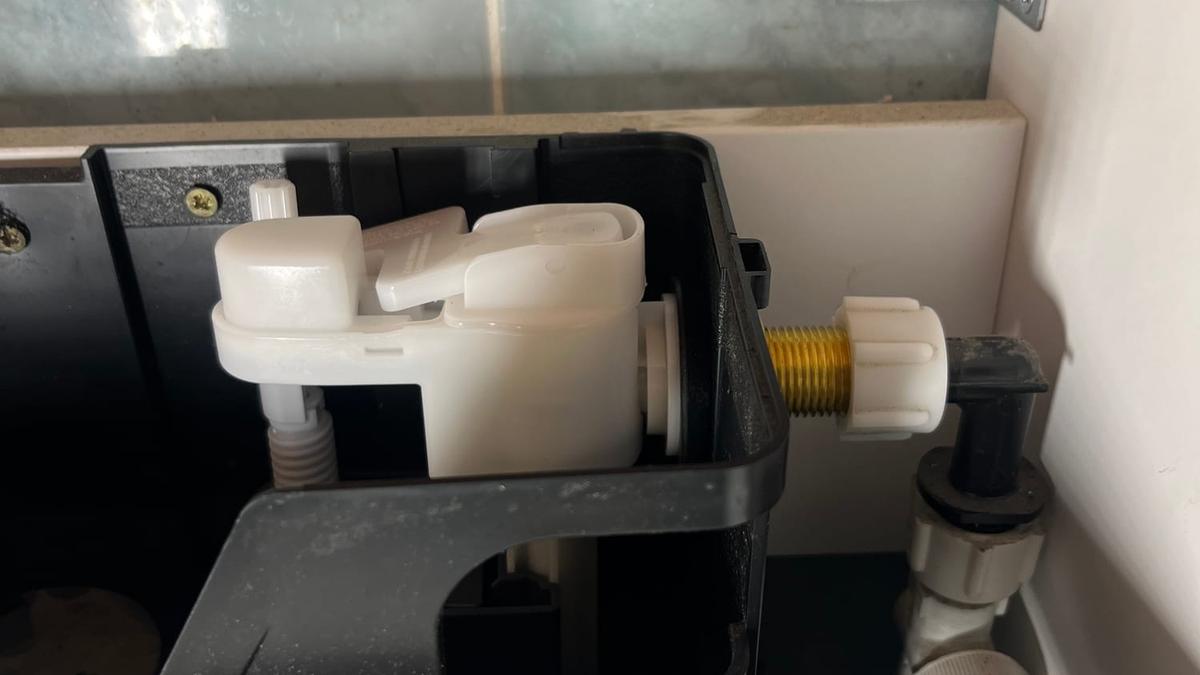
A toilet that keeps running or will not flush properly usually has a fault in one of a few parts inside the cistern. Most commonly the fill valve is not shutting off, the seal on the flush valve is letting water through to the pan, or, on an older lever toilet, the diaphragm in the siphon has worn out. A broken button, cable or link is another frequent cause. Most of these are repairs, not reasons to replace the toilet.
First, the simple checks
Take the lid off the cistern and look. Lift it straight up and put it somewhere flat and soft, because ceramic lids are heavy and break easily. Inside you will usually see the fill valve, which lets water in, to one side, and the flush valve or siphon, which lets it out, in the middle. Many cisterns have a water line marked inside.
Find the isolation valve too. On most toilets it is a small valve on the pipe feeding the cistern, often with a slot you turn with a flat screwdriver: slot along the pipe is usually open, across the pipe is shut. Knowing where it is means you can stop the water if things get worse. Do not force a stiff valve, and do not take apart anything still connected to the supply.
Why does my toilet keep running?
If the water level is up at the top of the overflow, or well above the marked line, the fill valve is not shutting off. On older toilets the extra water runs out through an overflow pipe, often dripping outside. Most modern cisterns overflow inside, into the pan. The cause is often a worn washer or seal in the valve, grit from the supply caught in it, or a float set too high or catching on something. Adjusting the float sometimes fixes it; otherwise the valve or its seal is replaced.
If the level is normal but water trickles steadily down the back of the pan, or the cistern refills on its own, the flush valve seal is probably letting water by. The seal wears, hardens or picks up debris, water leaks past it, and the fill valve tops the cistern back up, which is the refill you hear in the middle of the night. A new seal or flush valve usually cures it, though on some toilets the cistern has to come off to reach it.
Most homes in Scotland have no water meter, so a running toilet does not usually add to the water bill. It is still worth fixing: it wastes water, an overflow dripping onto a stone wall can cause damp, and a leaking seal tends to get worse.
Toilet won't flush, or the flush is weak
On older toilets with a lever, the flush often works by siphon. Pressing the lever lifts a plastic diaphragm that pushes water over the bend of the siphon to start the flush. When that diaphragm wears or splits, you end up pumping the lever several times, or the flush starts and then stops. A new diaphragm or siphon unit is the usual fix.
On push-button toilets, a flush that does nothing at all is often down to a broken button, a snapped or disconnected cable, or a link that has come off between the button and the valve. These are small parts, and if the right ones are available the repair is usually simple.
A weak flush can come from the cistern not filling to the right level, perhaps because the fill valve is set low or the isolation valve has been left partly closed. If the water rises up the pan and drains slowly when you flush, the problem is more likely a blockage in the pan or the drain than a fault in the cistern.
Leaks at the base or between the cistern and pan
On a close-coupled toilet, where the cistern sits directly on the back of the pan, a large rubber washer seals the joint between them and bolts with their own washers hold the cistern down. When those perish, water runs down the back of the pan when you flush. A leak at the very base may come from the connector between the pan and the soil pipe, or from a cracked pan. If the water is coming from the pipework rather than the toilet, it becomes a job for our plumbing repairs and installation service.
Before assuming the worst, check for condensation: in cold weather a cistern of cold water can sweat and drip onto the floor. Dry everything and watch where the water first appears. A leak that shows only when you flush is usually a seal; one that is there all the time may point to the supply pipe or the fill valve.
A leak you cannot stop matters more than a running cistern, especially in a flat above someone else. Turn off the isolation valve, or the main stopcock if that does not hold it, and read what counts as a plumbing emergency to decide how urgent it is.
When to replace the toilet instead
Most running and flushing faults are worth repairing. Replacing makes more sense when the pan or cistern is cracked, because a crack in ceramic cannot be reliably repaired and can give way without warning, or when parts for an unusual old cistern can no longer be found. It also makes sense if you wanted a new style anyway; there is little point repairing a toilet you are about to take out. We repair and replace toilets as part of our showers and toilets work.
If you are in Edinburgh or Midlothian and your toilet needs looking at, see our showers and toilets page.
Need a professional for your next project?
Get a free, no-obligation quote for your next project.
Get a Free QuoteFound this useful? Make us a preferred source in Google and our future guides will show up more often for you.
More from the blog
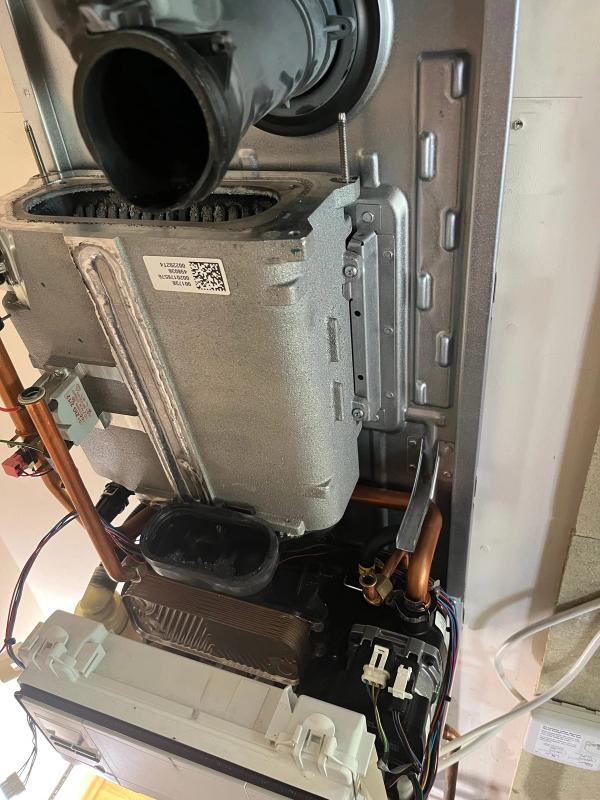
Boiler Not Working? Common Faults and What to Check First
Before calling an engineer, a few safe checks often find the cause. Here is what to look at, what common symptoms usually mean, and where the DIY stops.
View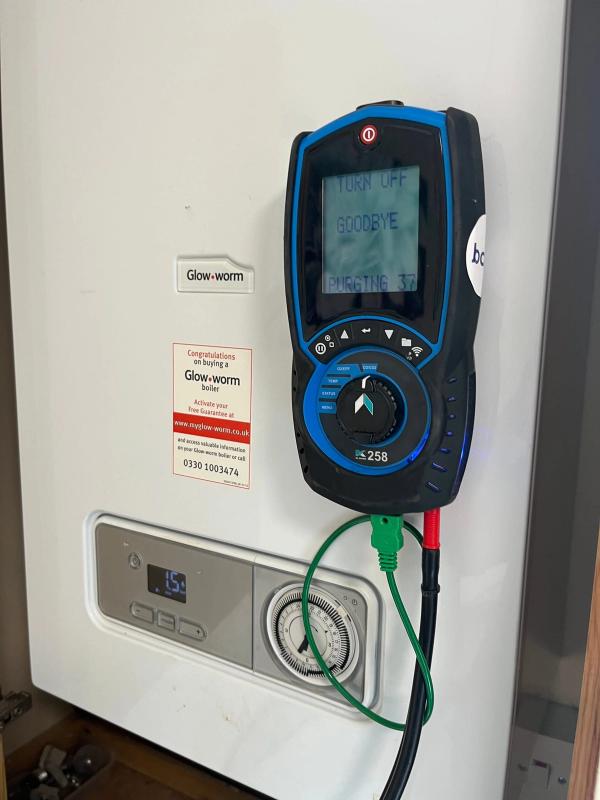
Boiler Service Plans vs a One-Off Annual Service
A one-off service and a service plan both get the boiler looked at each year. The difference is in what else is included, and that varies a great deal by provider.
View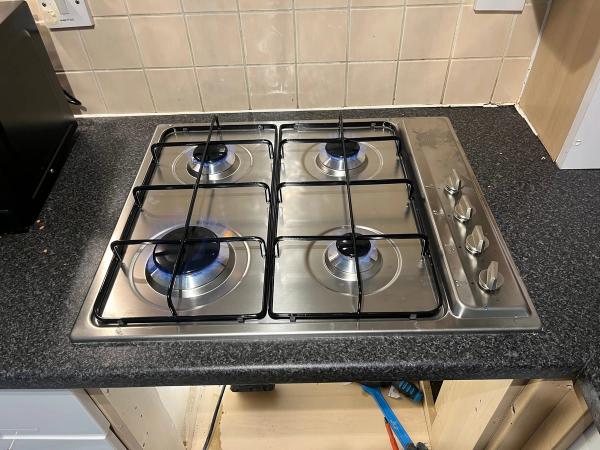
Can I Fit My Own Gas Cooker?
Swapping a gas cooker looks like a push-and-twist job. Here is what the law actually says, and what a proper connection involves.
View